
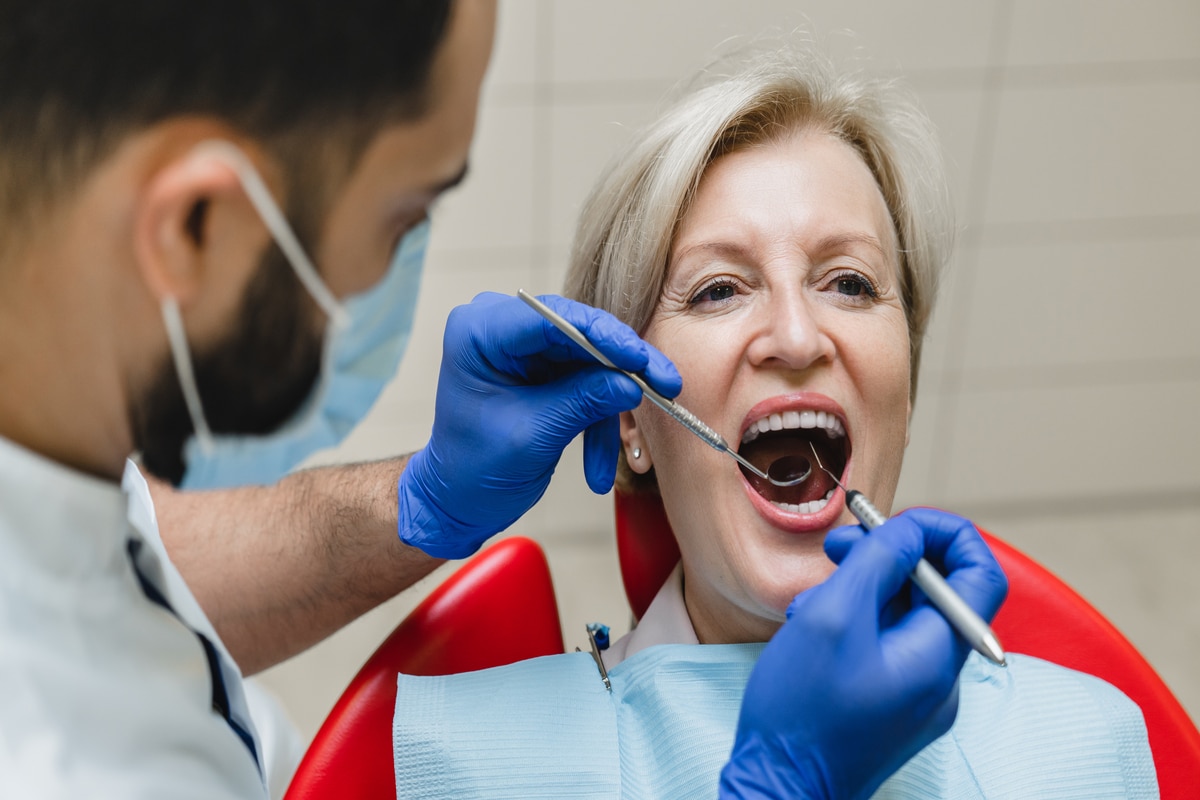
We’ve all been there—you take a bite of a gooey, steaming slice of pepperoni pizza, and suddenly, the roof of your mouth feels like it’s been hit by a blowtorch. But what happens when that soreness isn’t from dinner? What if you just walked out of a cosmetic dentistry appointment, and your palate is acting up?
Is it normal? Should you be worried? Whether you’ve just invested in a Hollywood smile or are planning your first set of veneers, understanding the “why” behind palate pain can save you a lot of late-night Googling. Let’s dive into the science of why the roof of your mouth might be protesting your latest glow-up.
The Anatomy of the Upper Palate
To understand the pain, we first have to look at the “real estate” of your mouth. The roof of your mouth, or the hard palate, is a thin layer of highly sensitive mucosal tissue stretched over bone. According to the American Association of Oral and Maxillofacial Surgeons, this tissue is packed with nerve endings, making it one of the most sensitive areas in the human body.
In cosmetic dentistry, we often work millimeters away from these sensitive areas. Even a slight “oops” or a standard reaction to a chemical agent can trigger a pain response.
Why Cosmetic Dentistry Causes Palate Pain
Chemical Burns from Professional Whitening
Professional teeth whitening is the most popular cosmetic procedure in the U.S., with the American Academy of Cosmetic Dentistry (AACD) reporting that nearly 80% of dental patients express interest in whitening.
However, professional-grade gels often contain 25%-40% hydrogen peroxide. If the protective barrier (gingival dam) leaks or is misapplied, peroxide can “blanch” or burn the soft palate.
- The Data: Studies published in the Journal of Evidence-Based Dental Practice indicate that 15-30% of patients experience soft-tissue irritation after high-concentration whitening treatments.
Veneers & Crowns
- Veneers and crowns require reshaping the enamel and placing new materials.
- Changes in bite alignment or temporary bite discrepancies can indirectly irritate the palate and surrounding tissues.
Stats to know: While exact numbers vary, studies indicate that dental discomfort (including pain) is reported in up to 75% of patients after sedated or anesthetized dental treatments, with pain often the most common post-op complaint.
Dental Implants & Implant-Related Surgeries
- Dental implants involve placing titanium posts into the jawbone.
- If the implant or prosthetic bite contacts tissues differently, sensory changes or pain — even in the palate — can occur.
Statistics: A pooled analysis found that about 5.6% of patients undergoing implant procedures reported transient sensory changes (tingling, numbness, or pain).
Palatal Injections (Anesthesia)
To numb the upper teeth and palate for procedures like veneers, dentists sometimes administer a palatal anesthetic injection. This area is notorious for being sensitive because:
- The tissue is thin and tightly bound to bone
- It has a rich nerve supply
- The injected fluid pressure increases discomfort
Even with local anesthesia, patients frequently describe palatal injections as one of the more uncomfortable parts of dental procedures.
Research directly comparing topical anesthetic methods for palatal injections reflects the challenge — pain scores are significant even with pre-treatment gels or ice.
Gum Contouring & Soft Tissue Procedures
- Some cosmetic treatments involve reshaping gum tissue or removing excess tissue.
- This may require incisions or laser work close to the palate.
- Healing tissues in such procedures can send pain signals that radiate through the palate.
Mouth Positioning During Longer Procedures
If your mouth was open wide for an extended period (e.g., extended veneer prep or full-mouth rehab), the resulting muscle strain and mucosal irritation can indirectly contribute to palatal soreness.
Specific Causes of Pain on the Roof of the Mouth After Cosmetic Dentistry
Let’s break down the primary causes you may be feeling:
Tissue Trauma & Needle-Related Injury
- Trauma from dental instruments or injections can cause localized pain or even small ulcerations.
- Rarely, a condition known as anesthetic necrosis may occur at the site of anesthesia injection, causing sore or ulcerated palatal tissue.
Improper Bite or Occlusal Contacts
- After procedures such as veneers or implant crowns, even slight changes in your bite can place unusual pressure on tissues, muscles, or the soft palate.
- This referred, or secondary pain, might feel like it’s coming from the palate.
Nerve Irritation or Sensitivity
Even when dental materials are placed correctly, the simple act of drilling, reshaping, or applying bonding agents can irritate local nerves — especially in a network as sensitive as the palate.
Inflammation and Post-Procedure Healing
- The body’s natural healing response includes inflammation, which triggers pain receptors.
- Dental work invariably causes some level of inflammation, and palatal tissues are no exception.
Infection & Fungal Growth
- Infections like oral thrush (a Candida yeast overgrowth) can cause soreness and pain on the palate.
- Inflammation from sinus issues or gum disease can also send referred pain to the roof of the mouth.
Allergic or Hypersensitivity Reactions
- Rare allergic reactions to dental materials, local anesthetics, or bonding agents can cause irritation and soreness.
How Common is Post-Dental Pain?
Because cosmetic dentistry covers a wide variety of procedures, estimates vary. However:
- In one dental study, 75.4% of patients experienced postoperative pain after dental treatment.
- 6% of implant patients reported sensory changes, including discomfort.
- Even minor palatal pain or irritation after anesthesia injections is common during recovery.
In short, pain or sensitivity — including on the roof of the mouth — is a recognized response in many patients following cosmetic dental work.
When Palatal Pain is Normal vs. Concerning
Likely Normal
- Mild soreness 24–72 hours after a cosmetic dental procedure
- Dull ache or sensitivity when eating hot or cold foods
- Slight irritation where anesthesia was injected
Signs It’s Time to Call Your Dentist
- Pain that gets worse after 3–5 days
- Sharp or shooting pain that doesn’t improve
- Signs of infection (pus, swelling, fever)
- New numbness beyond immediate postoperative discomfort
Expert Tips to Minimize or Prevent Palatal Pain
Here are some evidence-based strategies:
- Pre-procedure topical anesthesia, such as applying a gel or ice, can reduce injection pain.
- Follow aftercare instructions: avoid hard, sharp, or overly hot foods while tissues heal.
- Proper clinician technique: an experienced dentist can minimize trauma and adjust bite discrepancies early.
- Contact your local certified dentist in Dublin early if pain persists.
Conclusion
Pain on the roof of your mouth after a cosmetic dental procedure is usually a side effect of the “artistry” involved. Whether it’s the pressure of an injection or a stray drop of whitening gel, your mouth is a delicate ecosystem.
The good news? Most of these issues resolve within a week. According to the American Dental Association (ADA), proactive communication with your dentist is the best way to prevent these issues. If your “new smile” is causing “new pain” that lasts longer than five days, it’s time to head back to the chair for a quick check-up.
Frequently Asked Questions
- Why does the roof of my mouth hurt after getting veneers?
Pain following veneer placement can result from bite changes, minor nerve irritation, or muscle strain during the procedure. If it lasts more than a few days, get it checked. - Is palatal pain after a dental injection normal?
Yes — palatal injections are known to be uncomfortable due to thin tissue and rich nerve supply. Topical gels and slow injection can help. - Can implants cause pain in the roof of the mouth?
Yes. Improper bite forces, sensory changes, or referred pain from the implant site can contribute. - How long should dental-related palatal pain last?
Mild soreness typically resolves in 3–7 days. If pain increases or persists, see your dentist. - When should I worry about infection?
Signs include worsening pain, fever, swelling, pus, or persistent redness. Contact your dentist right away.