
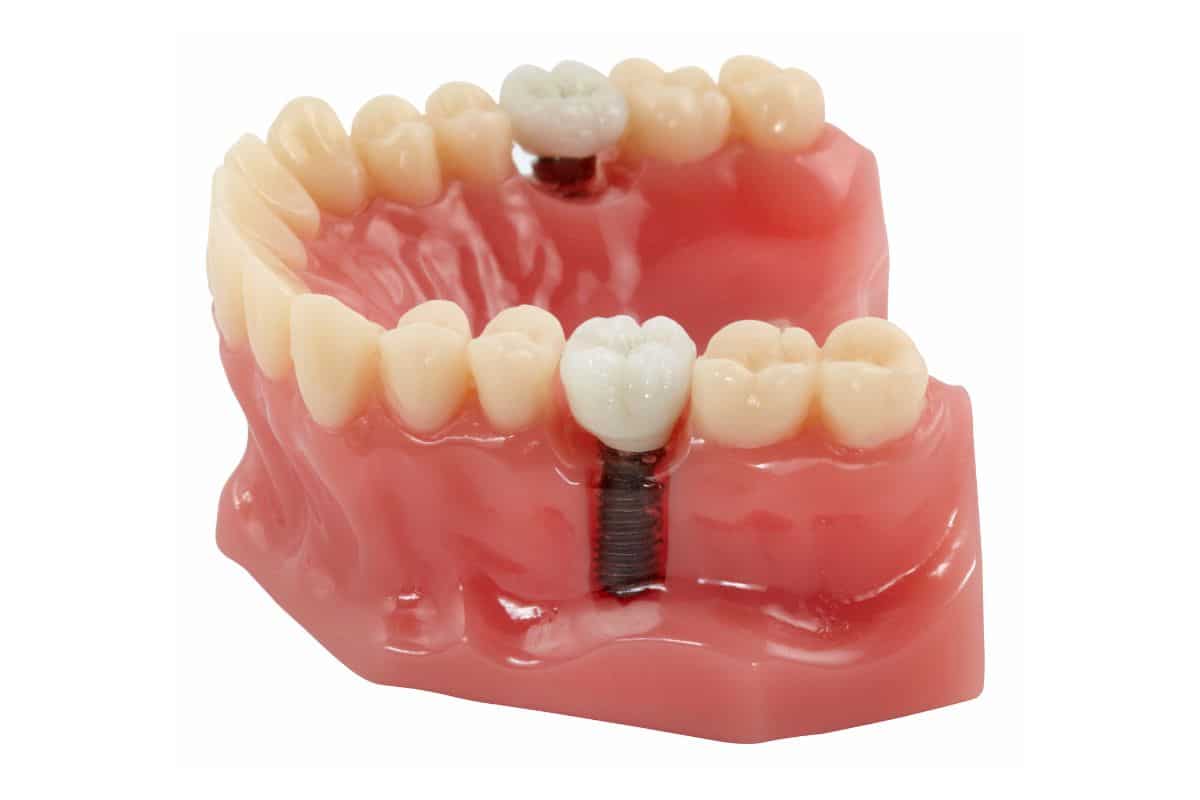
Dental implants have become a popular solution for missing teeth, but many people worry about the pain associated with the procedure. Understanding what to expect can help ease these concerns and simplify the decision-making process.
The Implant Procedure: What to Expect
The dental implant process involves multiple steps, each with its own level of discomfort. Here’s a breakdown:
- Consultation and Planning: Your dentist will evaluate your oral health, take X-rays, and discuss your options. This step is painless and helps to ensure the implant procedure will be successful.
- Surgical Placement: During this stage, the implant is placed into the jawbone. This is done under local anesthesia, so you shouldn’t feel any pain during the procedure. Some pressure or vibrations may be noticed, but the anesthetic ensures that pain is minimized.
- Healing Period: After the implant is placed, there is a healing period that allows the bone to fuse with the implant, a process called osseointegration. Some mild discomfort or swelling may occur during the first few days, but over-the-counter pain relievers are usually sufficient to manage this.
- Crown Placement: Once the implant has fully integrated with the bone, a crown is attached. This step is generally painless and does not involve any surgery.
Pain Management During and After the Procedure
Pain management is a significant concern for most patients. Dentists take several steps to ensure you are as comfortable as possible during the entire process:
- Local Anesthesia: This numbs the area where the implant is placed, ensuring that you feel no pain during the surgery.
- Sedation Options: For those who are particularly anxious, sedation options are available. These can range from mild sedatives to help you relax to stronger options that might make you sleep through the procedure.
- Post-Procedure Care: After the surgery, your dentist will provide instructions on how to care for the implant site. This includes advice on managing pain and swelling, such as using ice packs, taking prescribed pain medication, and eating soft foods for a few days.
How Painful Is It Really?
The perception of pain varies from person to person, but most patients report that the discomfort is far less than they expected. Many compare the sensation to having a tooth extracted. The most intense pain usually occurs during the first 48 hours after the surgery, but it typically subsides quickly. With proper care, the healing process is smooth, and most people find that the long-term benefits of dental implants far outweigh the temporary discomfort.
Common Concerns About Dental Implant Pain
Here are some common concerns patients have about pain related to dental implants:
- Is the Pain Unbearable? The pain associated with dental implants is generally manageable. Your dentist will ensure you have the tools and medications needed to keep discomfort at a minimum.
- Will I Need Time Off Work? Most people can return to work a day or two after the procedure, depending on the complexity of the implant and their pain tolerance.
- What If I Have Low Pain Tolerance? If you’re particularly sensitive to pain, discuss this with your local certified Dublin dentist. They can tailor your pain management plan to ensure you remain comfortable throughout the process.
The Benefits Outweigh the Discomfort
While the idea of dental implant surgery might seem daunting, the reality is that it is a well-tolerated procedure with a high success rate. The discomfort experienced is temporary, but the benefits of a restored smile can last a lifetime. Dental implants not only improve your appearance but also restore function, allowing you to eat, speak, and smile with confidence.
Considering Dental Implants?
If you’re considering dental implants Dublin, our team at All In One Dental Innovations is here to help. We specialize in providing comprehensive dental care with a focus on patient comfort. Our experienced staff will guide you through the entire process, ensuring you feel at ease every step of the way.
Call us today on (925) 587-4393 to schedule a consultation and take the first step toward a healthier, more confident smile.