
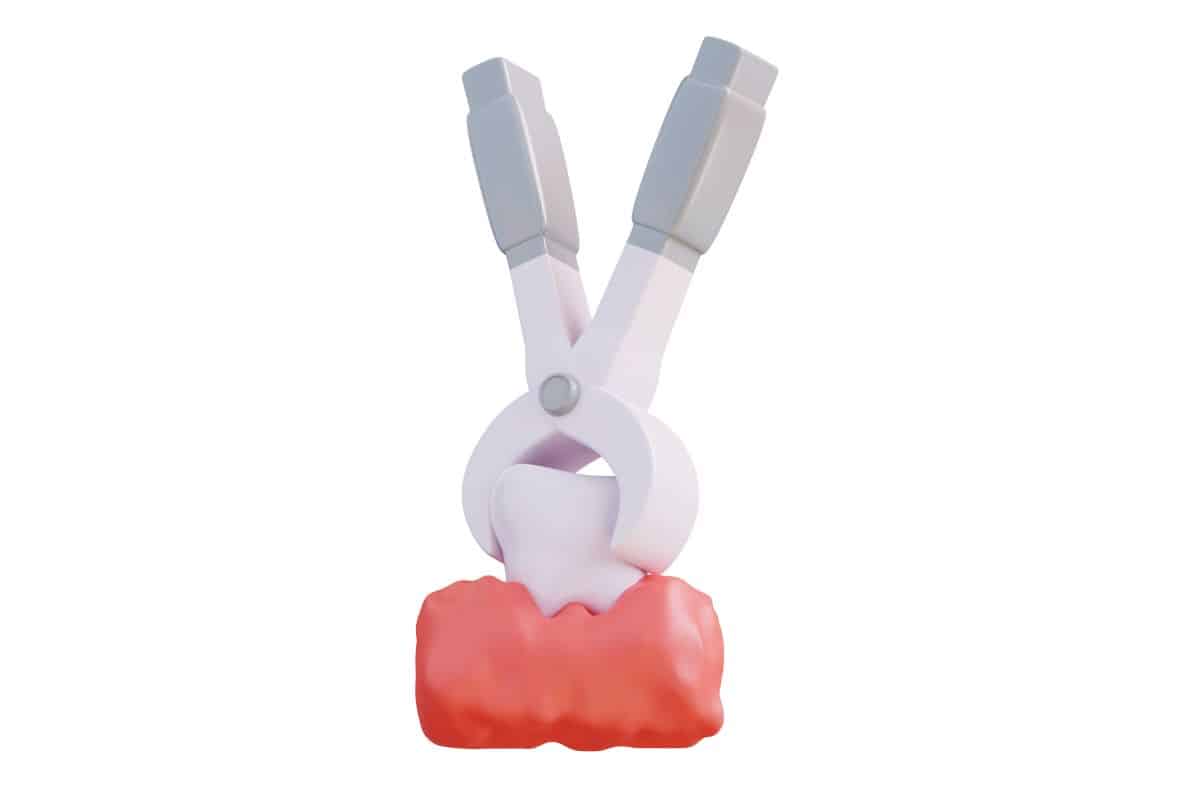
Wisdom teeth removal is a common dental procedure, and it’s natural to feel a little nervous about the recovery process. One of the most common side effects after the surgery is swelling, which can be uncomfortable but is usually temporary.
At All In One Dental Innovations, we frequently see patients who have concerns about swelling following their wisdom teeth removal. It’s something most people go through, and knowing how to manage it can reduce your level of discomfort.
For our Dublin, CA community members who recently got their wisdom teeth removed, here are some practical and easy-to-follow tips to help manage and reduce swelling for a smoother recovery.
Why Does Swelling Occur After Wisdom Teeth Removal?
Swelling is totally expected after your wisdom teeth are removed. It’s your body’s natural way of dealing with things and helping the area heal. It might look like a lot at first, but it usually starts to get better within a few days.
The reason for the swelling is that your body increases blood flow to the area to help with healing, which is normal, but can definitely be a pain. You can usually expect the swelling to peak around 2 to 3 days after your surgery, and then it should gradually start to decrease.
Steps to Minimize Swelling in the First Few Days
While the effects won’t be instant, these simple steps can help control swelling during the first few days of recovery:
Apply Ice Packs
One of the most effective ways to manage swelling is through the use of ice packs. Apply ice to your face for 15-20 minutes every hour during the first 24-48 hours. The cold helps constrict blood vessels and reduces swelling. Make sure to wrap the ice pack in a cloth or towel to protect your skin.
Elevate Your Head While Resting
Sleep with your head propped up on pillows. Elevating your head reduces the amount of blood flow to the affected area, which can help prevent excess swelling. A comfortable setup with a few extra pillows can make a significant difference.
Medications and Remedies to Reduce Swelling
While applying ice and resting are important, you may also need medications to help control swelling and discomfort.
- Prescription Medications
If your dentist prescribes stronger pain medications or antibiotics, be sure to follow the instructions carefully. These medications may help reduce inflammation and prevent infection.
- Natural Remedies
Some patients find relief using natural remedies such as tea bags or aloe vera. Tea bags have anti-inflammatory properties, and aloe vera can soothe the skin. However, always check with your dentist before trying any new remedies to ensure they won’t interfere with your recovery.
Post-Operative Care to Prevent Further Swelling
Preventing further swelling is just as important as reducing it. Here are some follow-up care tips to support your healing process:
- Follow Your Dentist’s Instructions
It’s essential to follow the care instructions provided by your dentist or oral surgeon. This includes keeping the surgical area clean and taking medications as prescribed. Following these instructions can prevent complications and ensure faster healing.
- Avoid Strenuous Activities
For the first few days, avoid any strenuous activities or exercise that could increase blood flow to the area and worsen swelling. Take it easy, and give your body the time it needs to heal.
- Maintain Oral Hygiene
While you may need to be gentle around the surgery site, it’s still important to keep your mouth clean. Rinsing with salt water (gently) after meals can help prevent infection and reduce swelling. Be sure to follow your dentist’s guidance on when it’s safe to brush normally.
When to See A Dentist
While swelling is a normal part of the recovery process, there are times when you should keep on the following:
- Excessive or Persistent Swelling
If swelling continues to increase after 3 days or doesn’t seem to improve, it could be a sign of an infection or another complication.
- Signs of Infection
If you experience severe pain, fever, or an unusual smell or taste in your mouth, these could be signs of an infection.
If you experience these complications, contact our Dublin dentist at (925) 722-5908. We’ll promptly take action to reduce the swelling and check the signs of infections.
Conclusion
By following the simple steps outlined in this blog—like applying ice, elevating your head, and taking recommended medications—you can make the healing process much smoother.
If you’re in the Dublin, CA area and have concerns or questions about your post-surgery care, book an appointment with us today. We’re always ready to help.
FAQs about Swelling After Wisdom Tooth Removal
How long will the swelling last?
Swelling typically peaks within 48-72 hours and should subside within a week. Some minor swelling may persist for a few days after that.
Can I eat normal food if I have swelling?
Stick to soft foods and avoid chewing on the side where your wisdom teeth were removed. Stay away from hot or spicy foods that may irritate the area.
Can I apply heat to reduce swelling after the first 48 hours?
After the initial 48 hours, you can switch to warm compresses if you feel they provide relief. Heat can help with muscle relaxation and reduce lingering discomfort.