
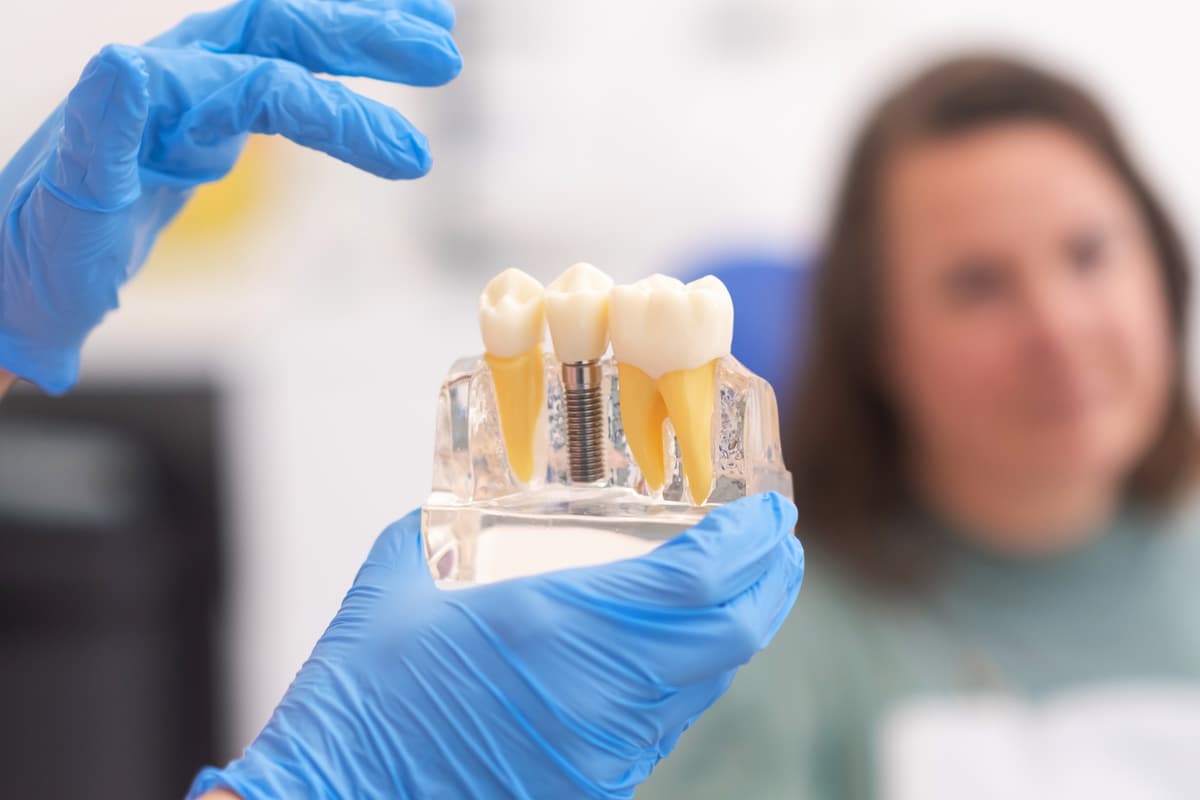
So, you finally did it! You invested in that beautiful dental implant, and you’re ready to flash your pearly whites at every opportunity. But then, you notice something—a lingering, unpleasant taste or a scent that definitely wasn’t there before. You find yourself doing the “palm-to-mouth” breath check every ten minutes.
First off: Don’t panic. You aren’t alone, and it doesn’t necessarily mean your implant is failing. However, your mouth is sending you a signal that it needs a little extra TLC.
Did you know that according to the American Academy of Implant Dentistry (AAID), over 3 million Americans have dental implants, and that number is growing by about 500,000 every year? While the success rate is incredibly high—hovering around 95-98%—the “freshness factor” depends entirely on how you manage the bacteria around that new hardware.
In this guide, we’re going to dive deep into why bad breath (halitosis) happens after a dental implant procedure and, more importantly, exactly how to fix it so you can get back to smiling with total confidence.
Why Does Bad Breath Happen After a Dental Implant?
Bad breath after a dental implant isn’t usually because of the implant itself (titanium doesn’t stink!). Instead, it’s about what’s happening around it. Here are the most common reasons:
Bacterial Buildup Around the Implant
Your mouth hosts hundreds of bacterial species. When these microbes feed on food particles around an implant, they release foul-smelling gases — especially volatile sulfur compounds (VSCs), which are the main culprits in halitosis.
Dental implants in Dublin that are not properly cleaned can trap bacteria more easily than smooth, natural tooth surfaces. Plaque buildup can be significant if left unchecked — and this is where bad odors originate.
Food Trapped Around the Implant
Food debris loves hiding in nooks and crannies — especially around implants, crowns, and bridges, where angles and spaces are a little different from your natural teeth. This leftover food becomes a perfect nutrient source for odor-causing bacteria.
Peri-Implantitis — A Sneaky Oral Infection
Peri-implantitis is a gum and bone infection around the implant, similar to gum disease. It occurs in about 10% of implants and is one of the main reasons persistent bad breath occurs after healing.
This infection causes inflammation and creates an environment where bacteria thrive, producing foul odors that won’t go away with brushing alone.
Dry Mouth (Xerostomia)
Saliva is your mouth’s natural cleanser. It washes away bacteria and food bits. When your mouth is dry — due to dehydration, medications, or certain health conditions — bacteria flourish and cause bad breath. Around 22% of adults report regular dry mouth symptoms, which can worsen implant-related odor.
Poor Oral Hygiene & Hard-to-Reach Spots
Sometimes, it’s simply harder to clean around an implant, especially if your brushing and flossing routine isn’t adapted to your new dental landscape. Inadequate cleaning creates a perfect storm for plaque and odor.
How to Fix Smelly Breath After a Dental Implant
Let’s dive into the practical stuff — what you can do today to get fresher breath.
Master Your Oral Hygiene Routine
This is the foundation of fresh breath — not just after an implant, but for life.
What to do:
- Brush your teeth (and implant) at least twice daily with a soft-bristled toothbrush.
- Use non-abrasive toothpaste to avoid damaging the implant surface.
- Don’t forget your tongue — up to 90% of oral bad breath bacteria live there!
- Floss once a day, but with a twist: implant areas may need implant-specific floss, interdental brushes, or a water flosser to clean underneath and around the implant properly.
Studies show that consistent brushing and flossing can reduce plaque buildup by up to 50%, significantly reducing odor sources.
Use an Antimicrobial Mouthwash
Mouthwash isn’t just minty freshness — certain formulas kill odor-causing bacteria.
Tips:
- Choose chlorhexidine or cetylpyridinium chloride mouthwash for better bacterial control.
- Alcohol-free options are best if you have dry mouth issues.
Research indicates that chlorhexidine mouthwash can reduce oral bacterial counts by up to 85 % — a powerful way to fight bad breath at its source.
Clean Your Tongue Every Day
Your tongue isn’t just for tasting — it’s a host of bacteria. Using a tongue scraper can remove odor-producing biofilm that brushing alone might miss.
For best results:
- Gently scrape from back to front.
- Do this every time you brush.
Drink Water — A Lot
Hydration boosts saliva production, and saliva naturally combats odor.
- Drinking water throughout the day can reduce halitosis symptoms by about 30 %.
- Aim for consistent sips — not just when your mouth feels dry.
If medications cause dry mouth, ask your qualified dentist in Dublin about saliva substitutes or sugar-free gum (which also boosts saliva).
Regular Dental Checkups Are a MUST
Your dentist can:
- Identify early signs of peri-implantitis or other infections.
- Perform professional cleanings that remove up to 99 % of plaque and tartar — far more than you can at home.
- Check implant fit — ill-fitting crowns or bridges can trap food and bacteria.
In many cases, fixing bad breath means fixing small underlying issues before they become big problems.
Change Lifestyle Habits That Fuel Odor
Some everyday choices make breathing worse — especially when combined with an implant.
Avoid:
- Tobacco products — smokers are at a higher risk of gum disease and dry mouth.
- Excessive alcohol dries your mouth and fuels bacterial growth.
- Strong-smelling foods (like garlic and onions) just before social events.
These changes can significantly reduce not just bad breath but also improve overall oral health.
When Bad Breath Is More Than Just Breath
Sometimes foul breath after an implant is a red flag rather than just a nuisance. See your dentist immediately if you experience any of the following:
- Persistent bad breath that doesn’t improve with hygiene
- Pain, swelling, or bleeding around the implant
- Pus or a bad taste that won’t go away
- Loose implant or gum recession
These symptoms may indicate an infection or an improper healing process, and professional care is crucial.
Conclusion
A dental implant is one of the best investments you can make for your confidence and your health. However, it isn’t a “set it and forget it” solution. Because the implant lacks the natural ligament fibers of a real tooth, it is actually more susceptible to certain types of bacterial buildup.
By using water flossers and interproximal brushes, and staying consistent with your 6-month checkups, you can ensure your breath stays as fresh as your new smile looks. Remember, the statistics show that with proper care, your implant has a 98% chance of lasting a lifetime. Don’t let a little bacteria get in the way of that success.
Frequently Asked Questions
- Is bad breath normal after a dental implant?
A little odor during healing can be normal, but persistent bad breath isn’t. It often points to bacteria or food debris buildup around the implant.
- How long does bad breath last after dental implant surgery?
Temporary odors can last a few days to a couple of weeks as your mouth heals. If it continues beyond that, it’s time to check your hygiene routine or see your dentist.
- Can dental implants themselves smell?
No — implants are made from inert materials like titanium and don’t emit odor. Any smell comes from bacteria or food trapped around them.
- What is peri-implantitis, and why does it cause bad breath?
Peri-implantitis is an infection of the gums and bone around the implant. It creates pockets where bacteria thrive, producing foul gases.
- Can I use regular floss around my implant?
You can, but implant-specific floss or interdental brushes often reach tight spaces around crowns and abutments better.