
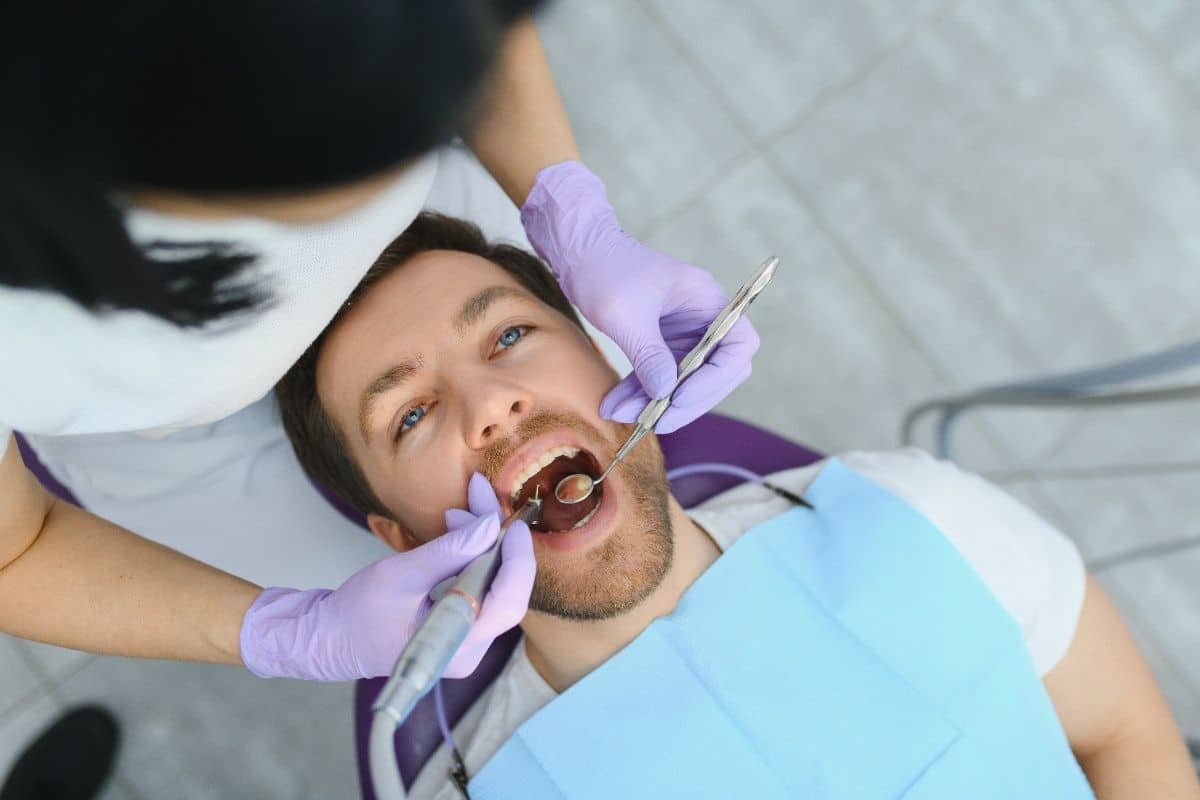
You finally schedule a dental visit after noticing sensitivity or a tiny dark spot on your tooth. Your dentist says it is a “small cavity” and recommends a filling. But one question immediately comes to mind: Will this fix the cavity permanently?
The short answer is that dental fillings are highly effective for treating small cavities, but they are not permanent. Fillings can last many years—even decades in some cases—but their lifespan depends on oral hygiene, diet, filling material, and regular dental care.
According to the Centers for Disease Control and Prevention (CDC), about 1 in 5 adults aged 20–64 in the United States has at least one untreated cavity. Cavities remain one of the most common chronic oral health conditions affecting both children and adults.
The good news is that treating small cavities early with dental fillings can stop decay, relieve sensitivity, preserve tooth structure, and help prevent more serious dental problems, such as the need for root canals or tooth loss.
In this guide, you will learn how dental fillings work, whether they permanently fix cavities, how long fillings last, and what you can do to protect your smile long term.
What Is a Small Cavity?
A small cavity is an early stage of tooth decay that affects the enamel or outer layer of the tooth.
Cavities develop when bacteria in the mouth feed on sugars and produce acids that weaken enamel over time.
The CDC explains that cavities are caused by bacteria that stick to teeth and create acids that slowly dissolve enamel.
Common symptoms of small cavities include:
- Tooth sensitivity
- Mild pain when eating sweets
- Tiny dark spots
- Rough tooth surfaces
- Food trapping between teeth
Some early cavities may not cause symptoms, which is why regular dental checkups are important.
What Do Dental Fillings Do?
Dental fillings repair damaged areas of the tooth after decay is removed.
During the procedure, the dentist:
- Removes decayed tooth material
- Cleans the affected area
- Fills the space with restorative material
According to the Cleveland Clinic, fillings help restore tooth structure and prevent cavities from spreading deeper into the tooth.
Fillings are commonly made from:
- Composite resin (tooth-colored)
- Amalgam (silver)
- Ceramic
- Glass ionomer
- Gold
Composite fillings are especially popular in the United States because they blend naturally with surrounding teeth.
Can Fillings Permanently Remove Cavities?
Dental fillings permanently remove the decayed portion of the tooth during treatment. However, the filling itself may not last forever.
Once decay is removed:
- The original cavity is gone
- The tooth is restored
- Further decay is prevented temporarily
But new decay can still develop around or beneath a filling if oral hygiene declines.
Healthline reports that most fillings last between 5 and 15 years, depending on the material and oral care habits.
So while fillings effectively treat existing cavities, maintaining long-term results requires ongoing dental care.
How Long Do Dental Fillings Last?
The lifespan of a filling depends on:
- Filling material
- Tooth location
- Chewing pressure
- Oral hygiene
- Diet
- Teeth grinding
According to Healthline, the average lifespan includes:
- Amalgam fillings: around 15 years
- Composite fillings: around 7–10 years
- Ceramic fillings: 15 years or longer
- Glass ionomer fillings: around 5 years
The Cleveland Clinic notes that some fillings may last up to 20 years with proper care.
Some patients report fillings that last for decades, even when oral hygiene is excellent.
Why Fillings Sometimes Fail
Even well-placed fillings can eventually wear down.
Common reasons fillings fail include:
New Decay Around the Filling
Bacteria can enter tiny gaps between the filling and the tooth if plaque accumulates.
The CDC warns that untreated decay continues growing unless bacteria are removed or controlled.
Teeth Grinding (Bruxism)
Grinding places enormous pressure on fillings.
Reddit dental discussions frequently mention grinding as a major reason fillings crack or loosen prematurely.
Poor Oral Hygiene
Skipping brushing and flossing allows plaque and acid buildup around restored teeth.
According to the CDC, poor oral hygiene significantly increases the risk of cavities.
Sugary or Acidic Diets
Frequent sugar exposure feeds cavity-causing bacteria.
Acidic beverages such as soda and sports drinks may also weaken the enamel surrounding fillings.
Large Fillings
Small fillings generally last longer because more of the natural tooth structure remains intact.
Larger fillings endure greater stress during chewing.
Are Fillings Better Than Ignoring a Small Cavity?
Absolutely.
Small cavities do not heal on their own once the enamel has broken down significantly.
Without treatment, cavities may:
- Grow deeper
- Reach the nerve
- Cause infection
- Require root canal treatment
- Lead to tooth extraction
The CDC states that untreated cavities may cause pain, abscesses, and infections that can spread throughout the body in severe cases.
Treating small cavities early is usually:
- Faster
- Less painful
- Less expensive
- More conservative
Can Small Cavities Heal Without Fillings?
Very early enamel demineralization may sometimes improve with:
- Fluoride
- Better brushing
- Reduced sugar intake
The CDC notes that fluoride can help stop or reverse early cavity damage before a true cavity forms.
However, once a cavity creates a physical hole in the tooth, a filling is usually necessary.
Only a local certified Dublin dentist can determine whether decay is reversible or requires restoration.
Types of Dental Fillings for Small Cavities
Composite Fillings
Composite fillings are:
- Tooth-colored
- Popular for front teeth
- Conservative
- Natural-looking
Healthline reports that composite fillings generally last around 7–10 years with proper care.
Amalgam Fillings
Amalgam fillings are:
- Extremely durable
- Often used for molars
- Less expensive
Average lifespan: about 15 years.
Ceramic Fillings
Ceramic fillings:
- Resist staining
- Offer strong aesthetics
- May last 15 years or longer
However, they are usually more expensive.
Glass Ionomer Fillings
These fillings release fluoride and are commonly used:
- In children
- Near gumlines
- For temporary restorations
They are less durable than composite or amalgam materials.
How Dentists Detect Small Cavities
Dentists identify cavities through:
- Visual exams
- Dental X-rays
- Explorer tools
- Laser cavity detection
Some cavities hide between teeth and cannot easily be seen at home.
Regular exams help detect problems before they become painful.
Signs You May Need a Filling
Common warning signs include:
- Tooth sensitivity
- Pain when chewing
- Visible holes
- Dark spots
- Food trapping
- Sudden sensitivity to sweets
However, some cavities cause no symptoms at all until they become larger.
How To Make Dental Fillings Last Longer
Brush Twice Daily
Use fluoride toothpaste to protect enamel and prevent new decay.
The CDC states that fluoride toothpaste helps prevent cavities by strengthening enamel.
Floss Every Day
Flossing removes bacteria between teeth, where cavities commonly form.
Reduce Sugary Foods and Drinks
Frequent sugar exposure increases the risk of acid attacks on teeth.
Try limiting:
- Soda
- Candy
- Sweet coffee drinks
- Sports drinks
Visit Your Dentist Regularly
Routine cleanings help identify:
- Worn fillings
- Small cracks
- Early decay
- Gum disease
Wear a Night Guard if You Grind Your Teeth
Night guards help protect fillings from cracking under grinding pressure.
What Happens When Fillings Need Replacement?
Over time, fillings may:
- Crack
- Wear down
- Leak
- Loosen
Symptoms may include:
- Sensitivity
- Pain while chewing
- Rough edges
- Visible cracks
In some cases, larger restorations, such as crowns, may become necessary later.
Are Tooth-Colored Fillings Safe?
Composite fillings are widely used and considered safe by dental professionals.
Many patients prefer them because they:
- Match natural tooth color
- Bond directly to teeth
- Require less drilling
They are especially common for treating small cavities in visible areas.
What Reddit Users Say About Fillings
Online dental discussions often reveal mixed experiences with fillings.
Some Reddit users report that their fillings last over 20 years with excellent oral care. Others mention replacement after only a few years because of grinding, recurrent decay, or cracked fillings.
Many online dentists emphasize that oral hygiene and regular checkups strongly influence how long fillings last.
Why Early Treatment Matters
Small cavities are much easier to treat than advanced decay.
Benefits of early fillings include:
- Less drilling
- Lower treatment costs
- Reduced pain
- Better long-term tooth preservation
The CDC continues to identify untreated tooth decay as a major public health concern in the United States.
Prompt treatment protects both oral health and overall wellness.
Conclusion
Dental fillings are among the most effective ways to treat small cavities and prevent tooth decay from progressing. While fillings are not permanent, they can last many years—and sometimes decades—with proper care.
Treating cavities early helps preserve natural tooth structure, prevent infections, and reduce the need for more invasive dental procedures later. Maintaining excellent oral hygiene, limiting sugar intake, attending regular dental visits, and protecting teeth from grinding all play important roles in helping fillings last longer.
If you suspect a small cavity, do not wait for severe pain to develop. Early treatment is usually simpler, more affordable, and far less stressful than treating advanced tooth decay.
Frequently Asked Questions
- Can a dental filling permanently fix a cavity?
A filling permanently removes the existing decay, but it may eventually wear out or require replacement.
- How long do fillings usually last?
Most fillings last between 5 and 15 years, depending on the material and oral hygiene habits.
- Can small cavities heal without fillings?
Very early enamel damage may improve with fluoride, but cavities that create holes in the tooth usually require fillings.
- What type of filling lasts the longest?
Gold and ceramic fillings generally last the longest, often 15–20 years or more.
- How can I prevent cavities after getting a filling?
Brush twice daily with fluoride toothpaste, floss every day, reduce sugar intake, attend regular dental visits, and avoid teeth grinding.