
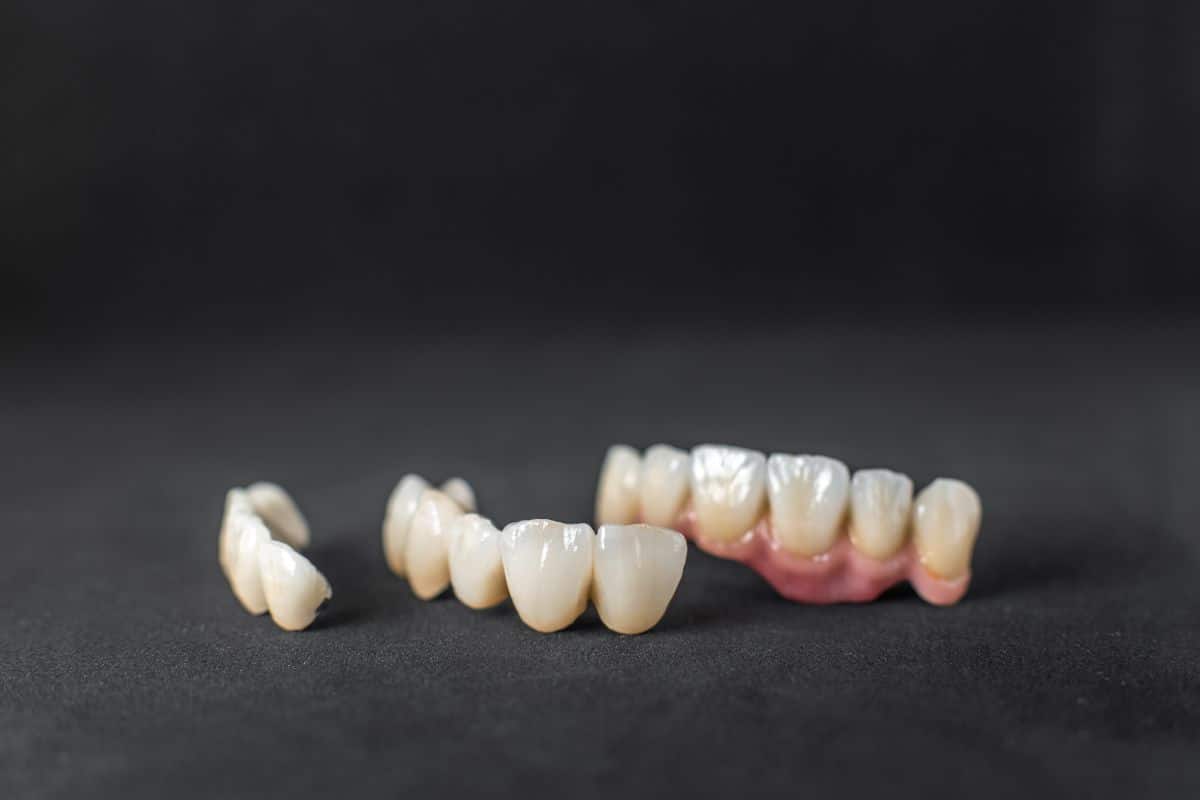
If you’re missing a tooth or a few, you may want a solution that restores your smile and makes everyday activities like eating and speaking feel normal again. The most common and safest option people turn to fill the gaps in their smile is a dental bridge. But is getting a bridge a good idea?
Like any dental treatment, a bridge has its pros and cons. It’s not just about filling in a gap; it’s about how that choice fits into your overall oral health, lifestyle, and long-term goals.
In this blog, we’ll break down when choosing a dental bridge makes sense, and what you should consider before moving forward. If you’re considering a dental bridge, this guide will help you make a more informed decision.
When Is a Dental Bridge a Good Option?
A bridge works by anchoring to the natural teeth (or implants) on either side of the gap, with a false tooth or teeth sitting in between. You may find it a good choice when:
You’re Missing One or Two Teeth in a Row
A bridge works best when there are healthy teeth on either side of the gap. It’s designed to use those teeth as support, so their health is key.
You Want a Fixed, Non-Removable Solution
Unlike partial dentures, bridges are cemented in place. You don’t take them out at night, and once they’re in, they function very much like your natural teeth.
You’re Not a Candidate for Implants
Dental implants require enough bone, a surgical procedure, and time for the area to heal. If that doesn’t work for your situation, a bridge can offer a more immediate solution without surgery.
How Dental Bridges Benefit Your Smile
There are several advantages you may consider when deciding whether dental bridges are the right fit for your smile transformation.
Restores Function Quickly
With a dental bridge, you can chew, speak, and smile normally again—usually within a couple of weeks of treatment. It’s a significant improvement in a short amount of time.
Keeps Your Teeth from Shifting
An empty space in your mouth can cause your remaining natural teeth to shift. This can throw off your bite and lead to other issues down the road. A bridge helps maintain alignment.
Looks Natural
Modern bridges are made to match the color and shape of your existing teeth. When done right, they blend in seamlessly.
Things to Consider Before Getting a Bridge
A dental bridge can be a great solution, but it’s not always the perfect one for everyone. Here are a few things worth thinking about:
Tooth Preparation
To place a traditional bridge, your qualified dentist in Dublin will need to shave down the adjacent teeth to support it. If those teeth are healthy, this step might give you pause.
Longevity and Maintenance
Bridges can last 10–15 years or more, but they do require good hygiene and occasional checkups. When plaque builds up around the supporting teeth, it can lead to decay or gum problems that may shorten the bridge’s lifespan.
It Doesn’t Replace the Root
Unlike an implant, which replaces the entire tooth, including the root, a bridge only fills the visible gap. This means the underlying bone may still shrink over time, potentially altering how the bridge fits.
The Alternatives To Bridges
If you’re unsure about a bridge, here are some other options that might be worth exploring:
- Dental implants – More permanent, but involve surgery and healing time.
- Removable partial dentures – Less invasive, but not as stable or natural-feeling.
- No replacement – In some cases, people choose not to replace a missing tooth, but this can lead to long-term bite or jaw issues.
Your dentist will explain the pros and cons of each procedure, based on your oral health and smile goals.
Are You Considering a Dental Bridge?
At All In One Dental Innovations, we believe that choosing a tooth replacement option is about more than just filling a gap; it’s about doing what’s best for your long-term health and your quality of life.
We’ll take a close look at your oral health, answer your questions honestly, and walk you through what’s possible.
Schedule a consultation with us today, and let’s find the right path to restore your smile.
FAQs
1. How long does a dental bridge last?
If a dental bridge is appropriately cared for, it can last 10 to 15 years, and sometimes even longer. Good oral hygiene, regular dental checkups, and avoiding habits like teeth grinding or chewing on ice can help extend its lifespan.
2. Is getting a dental bridge painful?
Most patients report little to no pain during the bridge procedure. Your dentist will use local anesthesia to numb the area, so you’ll stay comfortable throughout. Some mild soreness or sensitivity afterward is normal and typically goes away within a few days.
3. Can I eat normally with a dental bridge?
Yes! Once your bridge is in place and you’ve adjusted to it, you should be able to eat most foods comfortably. That said, it’s best to avoid very hard or sticky foods that could put stress on the bridge or supporting teeth.
4. Are there different types of dental bridges?
Yes, there are a few types, including traditional bridges, cantilever bridges, Maryland bridges, and implant-supported bridges. The best type for you depends on where the missing tooth is and the condition of your surrounding teeth. Your dentist will recommend the most appropriate option based on your situation.