
Are you curious to find out how dental implants work? All In One Dental Innovations is ready to thoroughly explain dental implants and their performance as long-term tooth replacements. You can also read our implant guide to learn more!
The Different Parts Of A Dental Implant
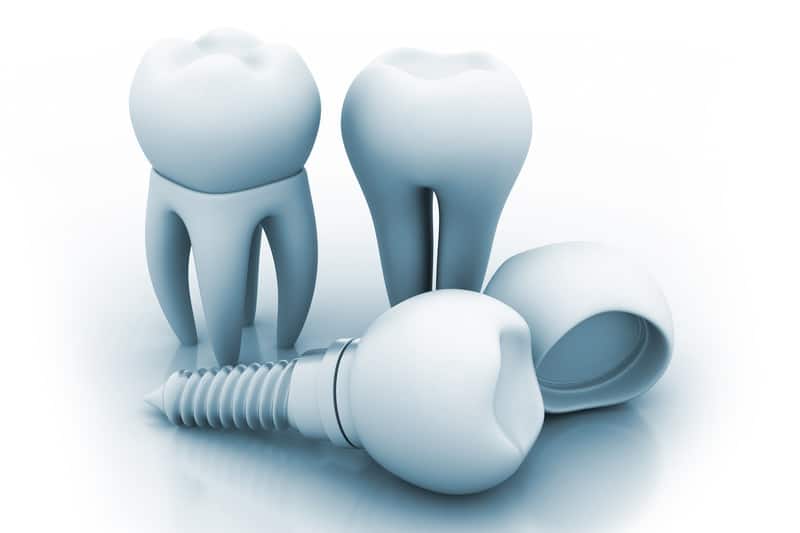
Although a dental implant is meant to act as an artificial replacement for natural teeth, implants are composed of similar parts–a “root” and “crown.” These two parts are joined by a connector called an abutment.
The root of a tooth implant is typically made of a metal such as titanium due to its durability. This metal “root” is shaped like a screw and can be tightly installed into the patient’s jawbone or, in some cases where patients have shallow jawbones, into the gums. The ridges of the screw, along with a special bone growth-promoting substance coating the screw, allow the bone to heal perfectly around the implant. The bone and gum tissue must heal properly around the implant to be held in place without the risk of later maladjustment.
The crown is often made of porcelain for a natural-looking finish that mimics a natural tooth. Artificial crowns can also be made of metal or a metal-porcelain blend, depending on a patient’s budget and preferences. Porcelain crowns are relatively sturdy and, like the implant’s root, have a special coating; however, the coating protects the crown from potential issues such as staining. So long as the crown is regularly cared for with proper hygiene, it will continue to resist minor damage. Crowns can also be created in a custom shade to match the patient’s other teeth, making them look even more natural.
The abutment can be made of several materials, including gold, other metals, or porcelain. This part of the implant is highly important in shaping the overall structural design of the dental implants. The abutment securely fits into the implant’s metal post and rests just above the gums to provide a stable connection to the implant’s crown. By attaching an abutment to the implant, the gums have time to heal after the initial installation of the metal post into the jawbone, and the abutment provides a stable platform for a permanent crown to be placed later.
How Does A Dental Implant Function?
With the same functional capabilities as a natural tooth, a dental implant allows the patient to eat, speak, and smile normally. The missing, rotting, or otherwise damaged teeth that implants replace can cause increasing harm to a patient’s overall health. By removing and replacing them with implants, health risks are lowered, thus allowing the patient to focus on improving their dental health rather than preserving it.
Implant dentists devote time and effort to pairing patients with the best implant materials suitable for them to ensure the patient’s comfort as well as the implant’s success. The permanent artificial crowns that top the implant are custom-designed to fit perfectly alongside the patient’s other teeth, properly aligning them. Dental pieces that don’t properly fit the patient can cause crowding, pain, and implant failure.
Take a look at what the AAID has to say about the benefits of dental implants:
“Here is why you will enjoy dental implants: Missing teeth restored with dental implants look, feel, and function just like natural teeth. You brush, floss, and visit your dentist for regular check-ups and cleanings, the same as you would to care for a natural tooth.”
Along with restoring a smile, a dental implant’s crown allows the patient to break down food without discomfort or pain. The presence of the implant will also allow the patient to speak regularly without any insecurities about their teeth or whether they will have a lisp when forming words.
How Implants Perform Over Time
Over time, a dental implant should perform the same as it did when it was first installed. Implants are fairly durable compared to other tooth-replacement options, such as dentures or bridges. Implants require little adjustment or ongoing maintenance beyond regular hygiene, such as brushing, flossing, or rinsing your teeth.
Although dental implants are durable, they aren’t indestructible and can be damaged, such as by crown staining or chipping, if not cared for properly. The protective coating on an implant crown can wear away over time, exposing the porcelain to tinted or acidic foods that can cause discoloration. Also, a strong impact against the crown can cause chipping and other damage in extreme situations.
If an implant is damaged, it can be easily repaired or replaced, but this isn’t an everyday necessity for most patients. So long as you follow a normal hygiene routine and monitor changes with the implant, it will continue to perform well over time. Any concerns about the implant or its maintenance should be discussed with your dental health advisor immediately to prevent any hidden issues from further developing.
Stay In Touch
If you have any further questions or would like access to additional information about dental implants and their function, please call All In One Dental Innovations today! Our number is (925) 828-9811, and our Dublin dentist looks forward to hearing from you. You can also request an appointment online!
Conclusion
Dental implants are one of the most advanced and reliable ways to replace missing teeth. By using a biocompatible titanium post that naturally fuses with your jawbone, implants provide a stable, long-lasting foundation for artificial teeth that look, feel, and function just like natural teeth. Whether you’re missing one tooth or several, implants help restore your smile, protect your oral health, and improve your quality of life. If you’re considering dental implants, talking with your qualified dentist in Dublin is the best way to determine whether this innovative treatment is the right fit for your needs.
FAQs
- How long do dental implants last?
With proper care, dental implants can last 20 years or more, and many last a lifetime. The crown on top may need to be replaced sooner due to normal wear.
- Is the implant procedure painful?
Most patients report minimal discomfort. Local anesthesia and sedation options help keep you comfortable. Mild soreness afterward is normal and typically improves within a few days.
- How long does the implant process take?
The full process can take 3–6 months, depending on healing time and whether you need bone grafting. The actual surgery is usually completed in one visit.
- Are dental implants safe?
Yes. Dental implants have a high success rate — typically 95% or higher — and are made from biocompatible materials that integrate safely with the jawbone.
- Can anyone get dental implants?
Most adults in good health are candidates, but you’ll need enough healthy jawbone to support the implant. Patients with severe bone loss may need bone grafting before implantation.
Related article: Are Dental Implants Permanent?