
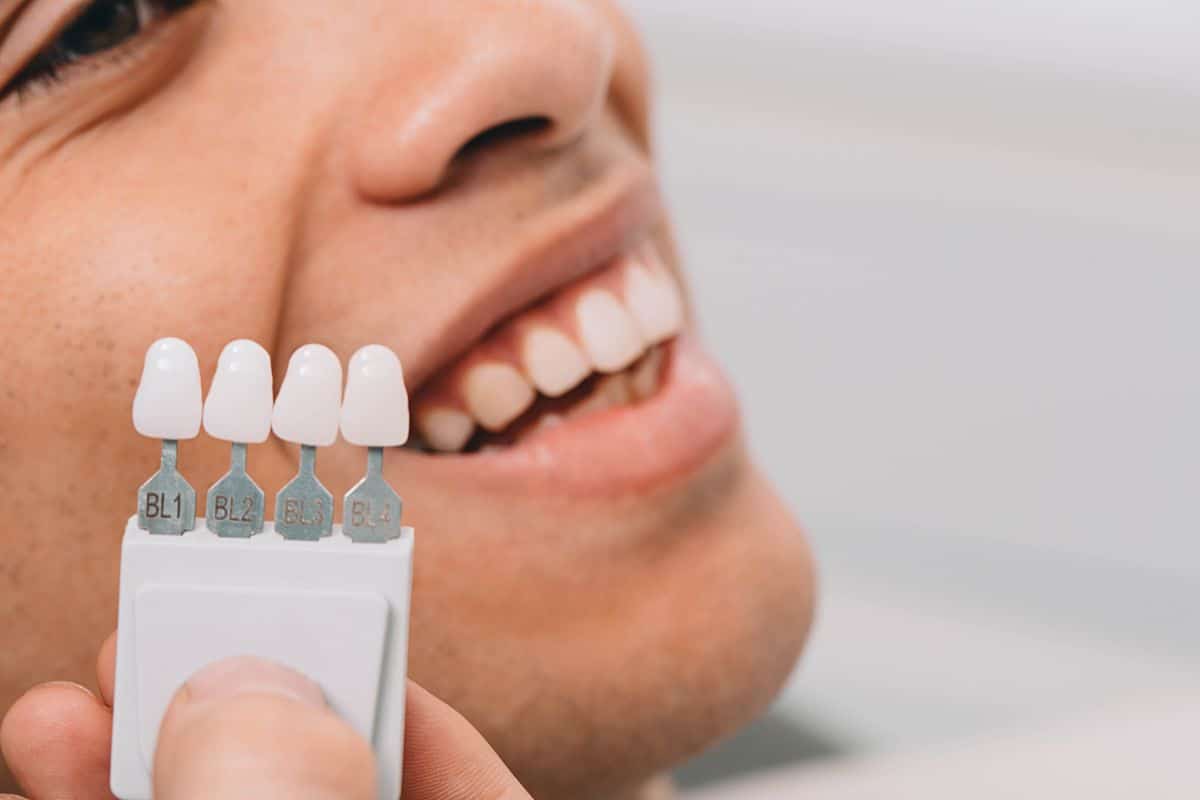
Veneers can improve the appearance of your teeth by masking stains, closing small gaps, and creating a more uniform smile, but the procedure isn’t without its downsides. The process usually involves permanent enamel removal, which can increase sensitivity and limit future treatment options.
Veneers are strong and made to last, but they can still chip or come loose under pressure from grinding or biting hard objects. Costs can also be high, and replacements may be needed after 10 to 15 years. Maintaining good oral hygiene and attending regular dental visits is essential to avoid complications like gum irritation or underlying decay.
In this blog, we’ll explore the benefits of veneers, the risks of veneers, and what you should consider before moving forward.
Benefits of Veneers
One of the biggest reasons people choose veneers is their ability to completely change the look of a smile with minimal tooth alteration. Here are some of the most common advantages:
1. A Natural-Looking, Whiter Smile
Veneers are custom-shaded to match your natural teeth or to make them look brighter. For people with deep stains that don’t respond well to whitening treatments, veneers offer a long-term solution.
2. Instant Correction for Minor Flaws
Veneers can cover chips, small gaps, and minor misalignment. Instead of undergoing orthodontic treatment, some patients opt for veneers to quickly improve the symmetry of their teeth.
3. Stain-Resistant Surface
Porcelain veneers, in particular, are resistant to everyday staining from coffee, tea, and wine. This helps your smile stay bright without frequent whitening treatments.
4. Long-Lasting Results
With proper care, veneers can last 10 to 15 years or more. They’re durable enough for daily use, though they do require some maintenance to stay in top condition.
Risks of Veneers
Despite their benefits, veneers aren’t for everyone. It’s essential to understand the potential drawbacks before committing to the procedure.
1. Irreversible Procedure
Placing veneers usually requires the removal of a small amount of enamel. Once this is done, it cannot be undone, and your tooth will always need some form of covering moving forward.
2. Tooth Sensitivity
Because enamel is removed, some patients experience increased sensitivity to hot or cold temperatures, especially in the first few weeks after placement.
3. Possibility of Damage
Although veneers are durable, they are not unbreakable. Biting into hard objects, grinding your teeth, or experiencing trauma can cause veneers to crack, chip, or detach.
4. Higher Cost
Veneers are often considered a cosmetic treatment and may not be covered by dental insurance. While they offer a beautiful result, the cost can be significant, especially when treating multiple teeth.
5. Potential Need for Replacement
Even with good care, veneers may need to be replaced after 10 to 15 years due to wear, damage, or gum recession.
What To Consider Before Getting Veneers
While dental veneers can create a dramatic improvement in your smile, they aren’t the right solution for everyone. Before committing to the procedure, here are a few important factors to think about:
1. Overall Oral Health
Veneers are best suited for patients with healthy teeth and gums. If you have untreated cavities, gum disease, or issues like teeth grinding (bruxism), those conditions should be addressed first. Veneers won’t fix underlying dental problems, so a full evaluation is essential.
2. Permanent Nature of the Procedure
Veneers typically require some enamel removal to ensure a proper fit. This is a permanent change, meaning once you get veneers, you’ll always need them—or a replacement—on those teeth. It’s important to be fully comfortable with this commitment.
3. Cost and Maintenance
Veneers are a long-term investment in your smile. They can be costly depending on how many teeth are being treated and may not be covered by insurance. You’ll also need to commit to proper oral hygiene and regular dental checkups to ensure they last as long as possible.
4. Aesthetic Goals
Have a clear understanding of what you want to achieve. Veneers can make a big difference in color, shape, and alignment, but they work best when the goals are realistic. A consultation with an experienced cosmetic dentist can help you visualize the expected outcome.
Looking For Dental Veneers in Dublin? Contact Us
If you’re considering veneers to enhance your smile, All In One Dental Innovations is here to help you in Dublin, CA. Schedule a consultation today and let us help you find the best solution for your smile.
Frequently Asked Questions
1. What alternative treatments are there for similar cosmetic issues?
If you’re not ready for veneers or want a less invasive option, you can explore treatments like teeth whitening, dental bonding. Bonding can repair chips and minor gaps using tooth-colored resin, while whitening works well for stains that don’t involve deeper enamel issues. The best choice depends on your goals, budget, and oral health.
2. How does teeth grinding affect veneers and how can it be managed?
Chronic teeth grinding, or bruxism, can put excessive pressure on veneers, increasing the risk of cracks, chips, or loosening. If you grind your teeth at night, it’s important to address it before and after getting veneers. A custom night guard can help protect your smile while you sleep, and your dentist may recommend bite adjustments or other preventive strategies to reduce stress on the veneers.
3. What are the different types of dental veneer materials?
The two main types of veneer materials are porcelain and composite resin. Porcelain veneers are known for their strength, stain resistance, and natural appearance, making them a long-lasting choice. Composite veneers are usually more affordable and require less enamel removal, but they may not last as long and are more prone to staining. Contact our dental office today, we’ll help you determine which option best suits your needs, depending on your smile goals and budget.
4. Do veneers require special care or cleaning routines?
Not necessarily, but they do require consistency. Brush and floss as you would with natural teeth, and avoid using your veneers to bite hard objects like ice or pens. Regular dental check-ups are important to monitor the condition of the veneers and the health of the surrounding gum tissue. Using a non-abrasive toothpaste and a soft-bristled toothbrush can also help preserve the surface of your veneers over time.