

Periodontal disease, commonly known as gum disease, is a major cause of tooth loss in adults. This condition not only affects your gums but can also harm the bone and connective tissues that support your teeth. So, how long can you retain your teeth after developing this condition? The answer largely depends on the stage of the disease and your dedication to treatment and care.
According to the CDC, nearly 47.2% of adults aged 30 years and older in the United States have some form of periodontal disease. Among adults aged 65 and older, the prevalence rises to over 70%. These statistics underscore the importance of understanding this condition and taking preventive measures.
What Is Periodontal Disease?
Periodontal disease is a progressive issue that starts with mild gum inflammation and can lead to significant bone and tooth loss if not addressed. It is caused by bacteria found in plaque, which can irritate and infect the gums if not removed through regular oral hygiene.
Stages of Periodontal Disease and Their Symptoms
Recognizing the stages of periodontal disease can help you identify its signs early and take action before serious damage occurs.
Stage 1: Gingivitis
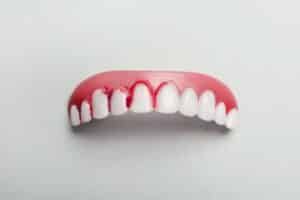
Gingivitis is the initial and least severe form of periodontal disease. At this stage, the gums become inflamed due to plaque accumulation.
Symptoms:
- Red, swollen gums
- Bleeding during brushing or flossing
- Bad breath (halitosis)
Prognosis:
Gingivitis can be reversed with professional cleaning and better oral hygiene practices.
Stage 2: Early Periodontitis
If gingivitis is not treated, it can advance to early periodontitis. Bacteria start to damage the supporting tissues, creating pockets between the gums and teeth.
Symptoms:
- Increased gum bleeding
- Mild gum recession
- Formation of pockets around teeth
Prognosis:
With prompt intervention, the damage can be stopped, and the gums can stabilize.
Stage 3: Moderate Periodontitis
At this stage, the infection starts to cause more damage to the bone and connective tissue that support the teeth.
Symptoms:
- Gums pulling away from the teeth (recession)
- Deepening pockets around teeth
- Slight tooth mobility
Prognosis:
Moderate periodontitis needs professional treatment to halt further damage and prevent tooth loss.
Stage 4: Advanced Periodontitis
This is the most severe stage, characterized by significant bone loss and tissue destruction. Teeth may become loose or even fall out.
Symptoms:
- Severe gum recession
- Significant tooth mobility or tooth loss
- Pain while chewing
- Pus around the gumline
Prognosis:
At this stage, teeth are at a high risk of loss, and extensive dental work is necessary to restore oral function.
Can You Keep Your Teeth After Periodontal Disease?
Yes, it is possible to keep your teeth after periodontal disease, particularly if the condition is identified and treated early. Even in advanced stages, modern dental procedures can help save teeth or provide functional replacements.
Treatment Options for Periodontal Disease
1. Professional Cleaning (Scaling and Root Planning)
For mild to moderate cases, a deep cleaning procedure known as scaling and root planning is typically the first step.
- Scaling eliminates plaque and tartar from above and below the gumline.
- Root planning smooths the tooth roots, aiding the gums in reattaching and reducing bacterial buildup.
2. Periodontal Surgery
In more advanced cases, surgery may be required to tackle deep pockets and restore lost tissue.
- Flap surgery: This involves lifting the gums to facilitate deep cleaning and reshaping them to fit snugly around the teeth.
- Bone grafting: This procedure helps to restore lost bone using either natural or synthetic materials.
- Tissue grafting: Gum grafts are used to cover exposed roots and prevent further recession.
3. Laser Therapy
Laser treatment offers a minimally invasive approach to removing diseased tissue and sterilizing the affected area. It encourages quicker healing and minimizes discomfort compared to traditional surgical methods.
4. Maintenance Therapy
Following treatment, ongoing care is crucial to prevent recurrence. Patients may need to schedule more frequent cleanings, usually every 3–4 months, to maintain healthy gums and avoid reinfection.
Preventing Future Damage
While treatment can effectively manage periodontal disease, prevention is essential for long-term oral health. Here are some steps to help maintain a healthy smile:
- Brush your teeth twice a day with fluoride toothpaste.
- Floss daily to eliminate plaque from hard-to-reach areas.
- Use an antimicrobial mouthwash to help reduce bacteria.
- Make regular dental appointments for cleanings and check-ups.
Finally
Periodontal disease is a serious issue, but it doesn’t have to lead to tooth loss. With early detection, effective treatment, and consistent follow-up care, many individuals can keep their natural teeth for a lifetime. If you notice any signs of gum disease, don’t hesitate—schedule a consultation with your dentist or periodontist to explore your treatment options and safeguard your smile for the future.