

Dental implants have become a popular solution for replacing missing teeth. If you’re considering this option, you may wonder about what these implants are made of. Understanding the materials used in teeth implants can help you make informed choices about your oral health. Let’s explore the components and types of materials used in teeth implants, along with some alternatives and frequently asked questions to guide you on your journey.
What Materials Are Teeth Implants Made Of?
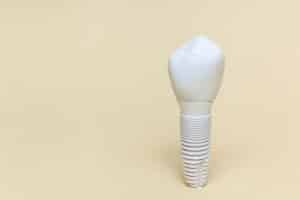
Teeth implants consist of three primary parts: the implant post, the abutment, and the crown. Each component plays a unique role and is crafted from materials that ensure durability, strength, and compatibility with the human body. Here’s a breakdown of the materials commonly used in each part:
1. Implant Post
The implant post, also known as the implant fixture, is the foundation of the implant. It is surgically placed into the jawbone, acting as the root of the new tooth.
- Titanium: The most widely used material for implant posts, titanium is biocompatible and integrates well with the bone in a process called osseointegration. This ensures the implant remains firmly anchored, providing a stable base for the abutment and crown.
- Zirconia: An alternative to titanium, zirconia is a ceramic-based material that is also biocompatible. It’s popular among those with metal allergies and has a white color, which makes it more aesthetically pleasing for some patients.
2. Abutment
The abutment connects the implant post to the crown, supporting the artificial tooth that will be visible above the gum line.
- Titanium Abutments: Like the implant post, titanium is a common choice for abutments due to its strength and biocompatibility. It’s resilient enough to withstand chewing forces, making it an ideal choice.
- Zirconia Abutments: Zirconia abutments are often preferred for patients seeking a more natural look. Since zirconia is a tooth-colored material, it blends well with natural teeth and surrounding gum tissues.
3. Crown
The crown is the visible part of the implant, designed to look like a natural tooth.
- Porcelain: Porcelain is a ceramic material known for its natural look and durability. It mimics the color and translucency of real teeth, providing a seamless match with surrounding teeth.
- Ceramic: Ceramic is also used in crowns for its aesthetic appeal and resistance to staining. Ceramic crowns are ideal for front teeth due to their realistic appearance.
- Porcelain-Fused-to-Metal (PFM): For increased strength, some crowns are made from porcelain fused to a metal base. This blend combines the strength of metal with the aesthetic qualities of porcelain, although it may lack the natural translucency of pure ceramic.
Are There Any Alternatives to Implant Materials?
While titanium and zirconia are the most popular choices, there are alternative materials that some patients may consider for their teeth implants.
Ceramic Implants
For patients seeking metal-free implants, ceramic options are available. Made entirely from zirconia, ceramic implants offer durability while being metal-free. They’re often recommended for patients with metal sensitivities or those who prefer non-metal materials for aesthetic reasons.
All-Metal Implants
Though rare today, all-metal implants made from alloys like stainless steel were once used. However, these are now largely outdated due to advancements in biocompatibility and aesthetics found with titanium and zirconia options.
FAQs About Teeth Implant Materials
1. Are titanium implants safe for everyone?
Yes, titanium implants are generally safe and have a high success rate. However, in rare cases, individuals with metal allergies may experience sensitivity. In such cases, zirconia implants are a suitable alternative.
2. Can zirconia implants last as long as titanium?
Yes, zirconia implants are durable and can last as long as titanium implants when cared for properly. However, titanium has been studied for longer periods, giving it a longer track record of success.
3. Will the implant materials affect the appearance of my smile?
The materials used can affect aesthetics, especially in the crown and abutment. Zirconia abutments and ceramic crowns can give a more natural look, particularly for front teeth.
4. Do implant materials vary in price?
Yes, implant materials can impact the overall cost. Zirconia implants and ceramic crowns are generally more expensive than titanium and porcelain, as they provide enhanced aesthetics and hypoallergenic properties.
The Importance of Choosing the Right Implant Material
Choosing the right materials for teeth implants is essential to ensure durability, comfort, and a natural look. Options like titanium and zirconia each offer unique benefits, allowing patients to tailor their implants to their needs. At All In One Dental Innovations, we offer comprehensive consultations to help you select the most suitable materials for your dental implants in Dublin, ensuring a smile that’s both functional and beautiful. Call us today at (925) 587-4393 to schedule your appointment with our dentist in Dublin to learn more about implants. Our dentists will ensure your comfort and guide you through all the steps before you make any informed decision.