
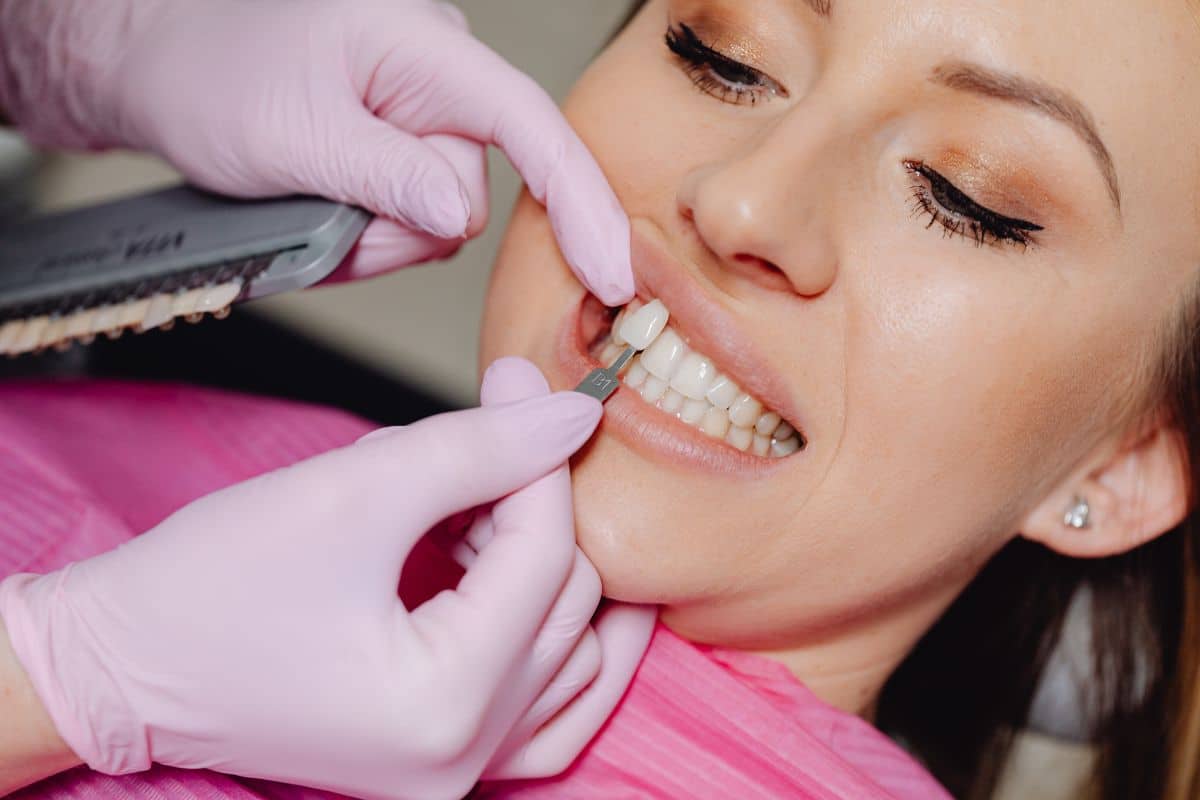
Fluorosis is a dental condition that affects the appearance of teeth due to excessive fluoride exposure during childhood. This can result in discoloration, staining, or surface irregularities that may affect your smile and confidence. Dental bonding is a common and effective treatment for fluorosis, offering a way to improve the appearance of affected teeth. In this blog, we will explore what fluorosis is, how dental bonding works, and why it might be the right solution for you.
What is Dental Fluorosis?
Fluorosis occurs when children ingest too much fluoride during the years when their teeth are developing, typically up to the age of eight. While fluoride is beneficial in preventing tooth decay, an excess can lead to changes in the enamel. These changes can range from mild discoloration to severe staining and surface pitting. The condition is usually cosmetic and does not affect the health or function of the teeth, but it can be a source of embarrassment or self-consciousness.
What is Dental Bonding?
Dental bonding is a procedure in which a tooth-colored resin material is applied to the surface of the teeth to improve their appearance. This resin is carefully shaped and polished to match the surrounding teeth, making it an excellent option for treating various cosmetic issues, including fluorosis. The procedure is minimally invasive, typically does not require anesthesia, and can often be completed in a single visit to the dentist.
The Dental Bonding Procedure:
1. Preparation:
The first step in the dental bonding process is to prepare the teeth. This usually involves cleaning the teeth to remove any surface debris and applying a mild etching solution to create a rough surface that helps the bonding material adhere better.
2. Application:
Next, the dentist applies the tooth-colored resin to the affected teeth. The resin is carefully molded and shaped to cover discoloration or surface irregularities caused by fluorosis.
3. Curing:
Once the resin is in place and properly shaped, a special light is used to harden and cure the material. This process usually takes a few minutes per tooth.
4. Finishing Touches:
After the resin has hardened, the dentist will trim, shape, and polish it to match the natural teeth. This final step ensures that the bonded teeth blend seamlessly with the rest of your smile.
Benefits of Dental Bonding for Fluorosis:
Dental bonding offers several advantages for those looking to improve the appearance of teeth affected by fluorosis:
1. Immediate Results:
One of the most significant benefits of dental bonding is that it provides immediate results. You can walk out of the dentist’s office with a transformed smile in just one visit.
2. Minimally Invasive:
Unlike other cosmetic procedures, dental bonding is minimally invasive. It does not require significant removal of tooth enamel, preserving the natural structure of your teeth.
3. Cost-Effective:
Dental bonding is generally more affordable than other cosmetic treatments like veneers or crowns. This makes it an attractive option for many patients looking to enhance their smile.
4. Versatility:
In addition to treating fluorosis, dental bonding can address other cosmetic issues such as chips, cracks, gaps, and minor misalignments.
Maintaining Your Bonded Teeth
While dental bonding is a durable and effective solution, it is essential to take care of your bonded teeth to ensure they last as long as possible. Here are some tips for maintaining your bonded teeth:
1. Good Oral Hygiene:
Maintain a regular oral hygiene routine, including brushing at least twice a day, flossing daily, and using an antiseptic mouthwash. This helps keep your teeth and gums healthy.
2. Avoid Staining Foods and Drinks:
To prevent discoloration of the bonded resin, try to limit your consumption of staining foods and drinks such as coffee, tea, red wine, and tobacco products.
3. Regular Dental Checkups:
Visit your dentist regularly for checkups and cleanings. Your dentist can monitor the condition of your bonded teeth and address any issues promptly.
4. Avoid Biting Hard Objects:
Avoid using your teeth to bite or chew hard objects, such as ice, pens, or fingernails, as this can damage the bonding material.
Conclusion
Dental bonding is a highly effective and versatile solution for improving the appearance of teeth affected by fluorosis. This minimally invasive procedure can quickly and affordably enhance your smile, boosting your confidence and overall oral health. If you are considering dental bonding or exploring other cosmetic dental treatments, consult with a professional cosmetic dentist Dublin. They can provide personalized advice and help you achieve the smile you’ve always wanted.