
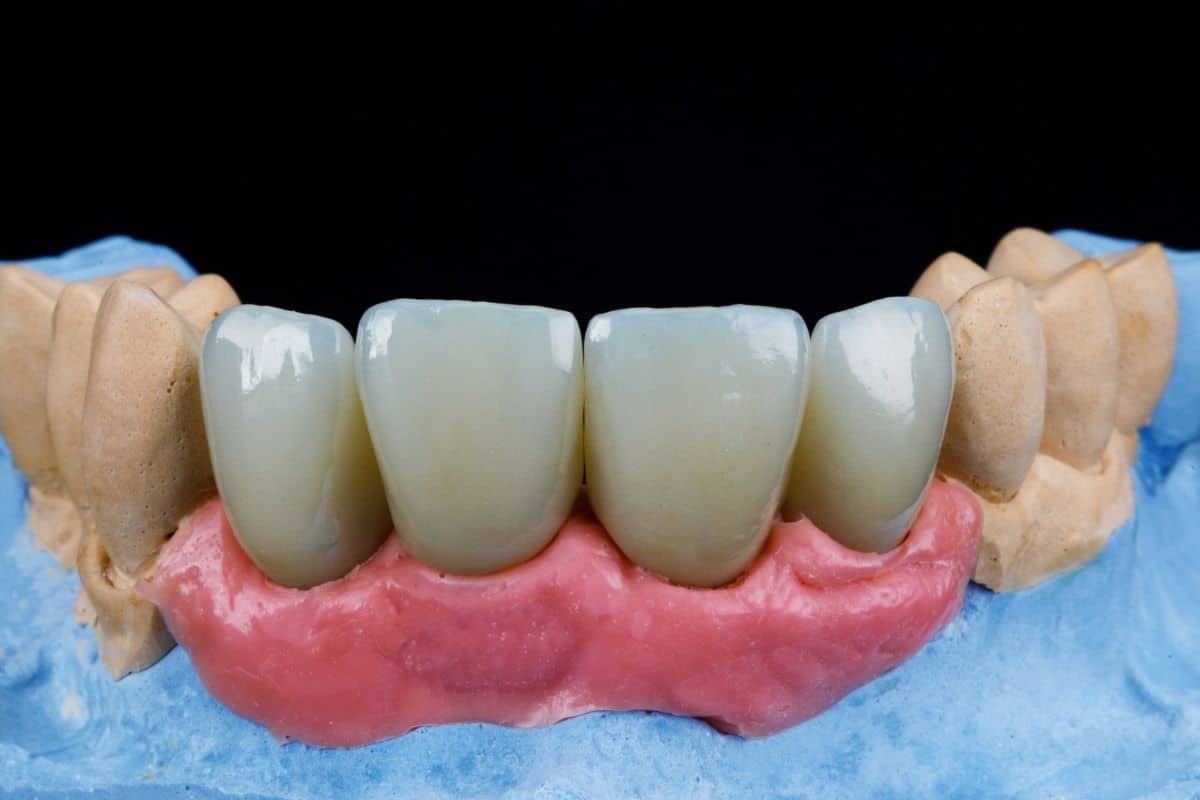
Dental bridges are a common solution for replacing missing teeth, helping to restore your smile and maintain the proper function of your mouth. If you’re considering getting a dental bridge or already have one, you might be wondering how long it will last. This blog will provide you with detailed information on the lifespan of dental bridges and tips for making them last longer.
What is a Dental Bridge?
A dental bridge is a fixed dental restoration that replaces one or more missing teeth by joining an artificial tooth permanently to adjacent teeth or dental implants. The bridge is typically made of porcelain fused to metal or ceramics, providing both durability and a natural appearance.
Types of Dental Bridges
There are several types of dental bridges available:
- Traditional Dental Bridge: This is the most common type, consisting of one or more artificial teeth held in place by dental crowns cemented onto the abutment teeth.
- Cantilever Dental Bridge: Used when there are adjacent teeth on only one side of the missing tooth or teeth.
- Maryland Dental Bridge: Uses a framework of either metal or porcelain that is bonded onto the backs of the adjacent teeth.
- Implant-Supported Dental Bridge: As the name suggests, this bridge is supported by dental implants rather than natural teeth.
Lifespan of a Dental Bridge
On average, a dental bridge can last between 5 to 15 years, but with proper care, it’s not uncommon for them to last over 20 years. The longevity of your dental bridge will depend on several factors, including the materials used, the location of the bridge in your mouth, and how well you maintain your oral hygiene.
Factors Affecting the Lifespan of a Dental Bridge
- Material: Bridges made from high-quality materials like porcelain or ceramic tend to last longer than those made from less durable materials.
- Location: Bridges in the front of the mouth typically last longer than those in the back because they are subjected to less pressure from chewing.
- Oral Hygiene: Good oral hygiene is crucial for the longevity of your dental bridge. Regular brushing, flossing, and dental check-ups can prevent issues like gum disease and decay of the abutment teeth.
- Diet: A diet high in sugary foods can increase the risk of decay around the bridge. Avoiding hard foods that can damage the bridge is also important.
Tips for Extending the Life of Your Dental Bridge
To ensure your dental bridge lasts as long as possible, follow these tips:
Maintain Good Oral Hygiene
Brush your teeth at least twice a day and floss daily. Pay special attention to cleaning around the bridge to remove plaque and food particles. Use an interdental brush or a water flosser to clean hard-to-reach areas.
Regular Dental Check-Ups
Visit your dentist regularly for check-ups and professional cleanings. A dentist can monitor the condition of your bridge and address any issues early on. Regular visits can help catch problems like decay or gum disease before they become serious.
Avoid Hard and Sticky Foods
Hard foods like nuts and ice, as well as sticky foods like caramel, can damage your bridge or loosen the cement holding it in place. Be mindful of what you eat to avoid unnecessary damage.
Use a Mouthguard
If you grind your teeth at night, consider using a mouthguard. Grinding can put excessive pressure on your bridge, leading to damage over time.
Avoid Bad Habits
Avoid using your teeth as tools to open packages or bottles, and refrain from chewing on pens or other hard objects. These habits can weaken or break your dental bridge.
When to Replace a Dental Bridge
Even with the best care, dental bridges don’t last forever. Here are some signs that it might be time to replace your bridge:
Visible Wear and Tear
Over time, the bridge might show signs of wear such as cracks, chips, or discoloration. If the damage is significant, replacement may be necessary.
Looseness or Movement
If your bridge feels loose or moves when you eat or speak, it might be time for a replacement. This can be a sign that the cement holding the bridge in place has worn down.
Pain or Discomfort
Pain or discomfort around the bridge could indicate decay of the abutment teeth or gum disease. If you experience these symptoms, consult your dentist immediately.
Changes in Your Bite
If you notice changes in your bite or how your teeth fit together, it could be a sign that your bridge is no longer fitting properly. A poorly fitting bridge can cause further dental issues.
Conclusion
Dental bridges are a reliable and long-lasting solution for missing teeth, offering both aesthetic and functional benefits. While the average lifespan of a dental bridge ranges from 5 to 15 years, proper care and maintenance can extend its life significantly. Regular dental visits, good oral hygiene, and avoiding harmful habits are key to ensuring your dental bridge lasts as long as possible.
If you are in need of a dental bridge or have questions about your existing one, consider consulting with a trusted dentist in Dublin, CA. They can provide you with personalized advice and care to help maintain your dental health.
By following the tips outlined in this blog, you can enjoy the benefits of your dental bridge for many years to come. Remember, a little extra care goes a long way in preserving your smile and oral health.