
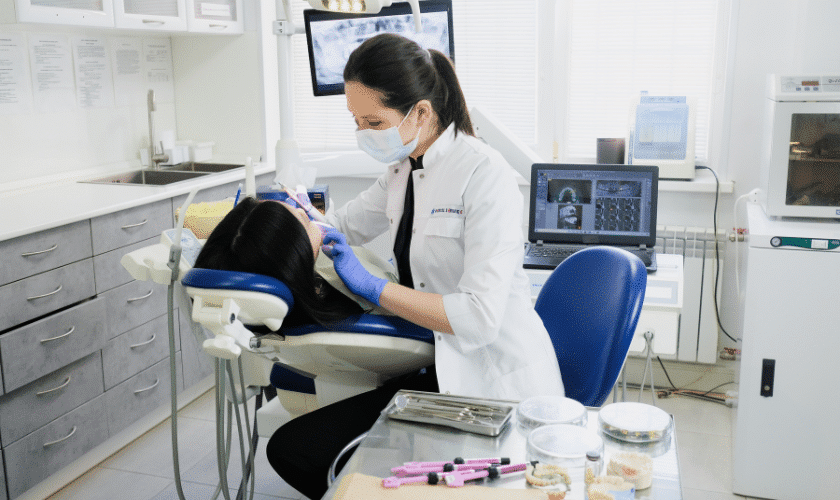
A confident smile can make a significant difference in your life, boosting your self-esteem and leaving a lasting impression on others. However, dental issues like missing, damaged, or discolored teeth can affect not only your appearance but also your oral health. Restorative dentistry offers solutions to these problems, helping you achieve the smile of your dreams by restoring the function and aesthetics of your teeth. In this blog, we will explore the various restorative dental procedures, their benefits, and how they can transform your smile.
What Is Restorative Dentistry?
Restorative dentistry focuses on diagnosing and treating dental issues to restore the function and aesthetics of your teeth. This field of dentistry addresses problems such as tooth decay, damage, and tooth loss. The primary goal is to repair or replace damaged teeth, ensuring they function correctly and look natural. Restorative dentistry not only improves the appearance of your smile but also helps maintain good oral health by preventing further complications.
Common Restorative Dental Procedures
- Dental Fillings: Dental fillings are a common and straightforward restorative procedure used to treat cavities caused by tooth decay. When decay damages a tooth, a filling is placed to restore the tooth’s structure and prevent further decay. Fillings can be made from various materials, including composite resin, amalgam, and porcelain. Composite resin fillings are popular because they can be color-matched to your natural teeth, making them a discreet option.
- Dental Crowns: A dental crown is a cap that covers a damaged or weakened tooth, restoring its shape, size, and strength. Crowns are often used after a root canal treatment, for large fillings, or to repair cracked or broken teeth. They can be made from different materials, including porcelain, ceramic, metal, or a combination. Porcelain and ceramic crowns are particularly popular because they closely resemble natural teeth.
- Dental Bridges: Dental bridges replace one or more missing teeth. A bridge consists of artificial teeth, known as pontics, which are anchored by dental crowns on the adjacent natural teeth. This procedure not only fills the gap left by missing teeth but also helps maintain the alignment of your remaining teeth, preventing issues like shifting or misalignment.
- Dental Implants: Dental implants are a highly effective and long-lasting solution for replacing missing teeth. An implant is a titanium post surgically placed in the jawbone, serving as an artificial tooth root. Once the implant integrates with the bone, a dental crown is placed on top to create a natural-looking replacement tooth. Implants are a popular choice because they provide a stable and durable foundation for replacement teeth, mimicking the function and appearance of natural teeth.
- Dentures: removable appliances used to replace missing teeth. They come in two main types: complete dentures, which replace all the teeth in the upper or lower jaw, and partial dentures, which replace only a few missing teeth. Dentures are custom-made to fit your mouth and restore your smile, allowing you to eat, speak, and smile confidently.
The Benefits of Restorative Dentistry
Restorative dentistry offers numerous benefits beyond improving the appearance of your smile. Here are some of the key advantages:
- Improved Oral Function: Restorative procedures like dental crowns, bridges, and implants help restore the function of your teeth, making it easier to chew and speak. This is especially important for overall nutrition and quality of life, as missing or damaged teeth can make it difficult to eat certain foods.
- Enhanced Aesthetics: Restorative dentistry can significantly improve the appearance of your smile. Procedures like dental crowns and bridges are designed to look like natural teeth, providing a seamless and aesthetically pleasing result. This can boost your confidence and make you feel more comfortable in social and professional situations.
- Prevention of Further Dental Issues: Restoring damaged or decayed teeth helps prevent further complications, such as infections or tooth loss. For example, treating cavities with fillings can stop decay from spreading to other teeth. Similarly, dental implants prevent jawbone loss, which can occur when teeth are missing.
- Long-Lasting Solutions: Many restorative dental treatments, such as dental implants and crowns, offer long-lasting results. With proper care and maintenance, these solutions can last for many years, providing a durable and reliable way to restore your smile.
- Preservation of Natural Teeth: Restorative procedures like fillings and crowns help preserve your natural teeth by repairing damage and preventing the need for extraction. Keeping your natural teeth is important for maintaining oral health and function, as well as for preserving the structure of your jawbone.
Choosing the Right Restorative Dentist
Choosing the right restorative dentist is crucial for achieving the best results. Look for a dental practice that offers a wide range of restorative services and has a team of experienced professionals. A good restorative dentist will take the time to understand your needs and provide personalized treatment plans to help you achieve your desired results.
It’s also important to consider the dental practice’s technology and materials. Modern techniques and high-quality materials can significantly improve the comfort, appearance, and longevity of your restorations. Don’t hesitate to ask about the dentist’s experience and qualifications, and to see before-and-after photos of previous patients.
Restore Your Smile
Restorative dentistry offers a comprehensive approach to addressing dental issues and achieving the perfect smile. Whether you’re dealing with cavities, damaged teeth, or missing teeth, there are solutions available to restore your oral health and enhance your appearance. By working with a skilled restorative dentist, you can receive the care and treatment you need to achieve a healthy and beautiful smile.
At All in One Dental Innovations, we specialize in a wide range of restorative dental procedures, including fillings, crowns, bridges, and implants. Our dedicated team of dentists is committed to providing high-quality care in a comfortable and friendly environment. If you’re interested in learning more about our services or scheduling a consultation, please contact us today. Let us help you achieve the smile you’ve always wanted!
Conclusion
Restorative dentistry offers a reliable path to achieving a healthier, more confident smile. Whether you’re dealing with damaged, decayed, or missing teeth, modern restorative treatments such as crowns, bridges, fillings, implants, and dentures can restore both function and appearance. These solutions not only enhance your smile but also improve chewing ability, protect remaining teeth, and support long-term oral health. If you’re ready to restore your smile’s strength and beauty, talk with your qualified dentist in Dublin about which restorative options best fit your needs and goals.
FAQs
- What is restorative dentistry?
Restorative dentistry focuses on repairing or replacing damaged or missing teeth. Common treatments include fillings, crowns, bridges, implants, and dentures.
- How do I know if I need restorative dental treatment?
You may need restorative care if you have tooth pain, decay, fractures, missing teeth, worn-down enamel, or discomfort while chewing. A dentist can evaluate your needs during an exam.
- Are restorative procedures painful?
Most restorative treatments are performed with local anesthesia, making them comfortable for patients. Mild soreness afterward is normal and typically fades within a day or two.
- How long do restorative dental treatments last?
The lifespan varies by procedure and care. Fillings may last 5–15 years, while crowns, bridges, and implants can last 10–20+ years with good oral hygiene and routine dental visits.
- Does insurance cover restorative dentistry?
Many dental insurance plans cover restorative treatments, especially those needed for health rather than cosmetic reasons. Coverage depends on your specific plan and provider.