
From the beginning, we are told of things that are bad for us. Smoking causes cancer. Drinking alcoholic beverages can damage the liver. And sugar is a major problem. It is a major cause of diabetes and tooth decay.
So, while our overall health is a concern, preventing tooth decay is also important. So, one of the most common questions that comes up, especially from those who love sodas, is: ‘Is carbonated water bad for teeth?
Carbonated water comes in many forms. It could be the plain sparkling water, syrup-laced sodas, or colas. Whether it’s something you bought from the store or something you made at home, the question remains: “Is sparkling water bad for your teeth?” or “Is seltzer better than soda?” or “Does carbonated water wear down enamel?
Let’s take a closer look at what’s actually in these drinks, how they affect your teeth.
The Components Of Carbonated Drinks
Not all carbonated drinks are created equal. Here’s what you’re usually dealing with:
- Carbonated water (aka sparkling water, soda water, seltzer): plain water infused with carbon dioxide (CO₂) that may contribute to tooth erosion.
- Flavored sparkling waters: carbonated water with added “natural flavors,” usually fruit-based
How Carbonation Affects Your Enamel
When CO₂ is added to water to make it fizzy, it creates a weak acid. On the pH scale, which measures how acidic or basic something is, plain water is around 7 (neutral). Sparkling water usually lands somewhere between 4.5 and 5.5 — definitely more acidic.
Now, enamel (the hard outer layer of your teeth) starts to soften at a pH of around 5.5. So if you’re drinking a lot of fizzy water throughout the day—even without sugar—you’re repeatedly bathing your teeth in acid. But it is not clear that carbonation affects your bone density, especially your jawbone.
A 2006 study was done and showed that those who consumed carbonated beverages did not show a significant change in their bone density. So, if you love sparkling water – yep, you’re not in danger.
This doesn’t mean your teeth will instantly suffer, but regular, long-term exposure can slowly erode enamel and make your teeth more sensitive or prone to decay.
So, if you’ve ever wondered “Is CO₂ bad for your teeth?”—it’s not CO₂ itself, but the acid it forms in water that can do damage over time.
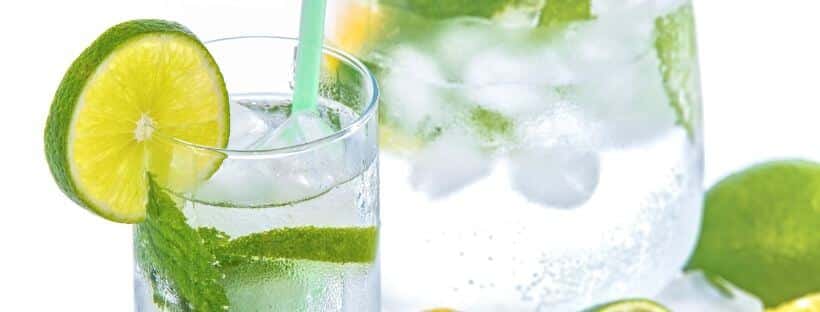
How Citrus Acid Of Flavored Waters Affect your Teeth
When you reach for that lemon-lime or grapefruit seltzer, you’re adding citrus-based acids to an already acidic drink. These flavors may taste light and refreshing, but they bring the pH even lower — which means more enamel erosion risk.
Citrus-flavored sparkling waters are some of the most acidic options out there, even if they don’t contain any sugar. That means that seltzer or flavored soda water that seems like a healthy swap can still wear down your enamel if you drink them often enough.
The effect of carbonated water on our teeth has been studied for years, to determine whether carbonated water is bad for you. And the consensus is – NO, carbonation will not harm our teeth. BUT, if there is an added citric acid or sugar in the drink, it will.
A study performed in 2009 showed that the combined ingredients found in most dark sodas can cause significant wear to the tooth enamel. While sparkling waters are just fine on its own – without sugar and citric acid – once these elements are introduced, they can be harmful to the teeth’s condition.
How Added Sugar Causes The Problem To Your Teeth
Even if a drink looks healthy or light, don’t assume it’s sugar-free. Some sparkling drinks contain added sugars or fruit juices to enhance flavor.
And sugar is still your teeth’s worst enemy.
Bacteria in your mouth feed on sugar and produce acids that lead to cavities and tooth decay. If you’re sipping a drink that’s both acidic and sugary, you’re basically hitting your teeth with a double threat: first the acid, then the bacteria-fueled acid from sugar.
So before you crack open that can, check the label. If there’s any added sugar — even in “sparkling juice drinks” or “naturally flavored soda waters” — you’re better off skipping it, or drinking it with a meal.
Another idea people have is to drink carbonated beverages through straws. The thought here is to limit the exposure of the teeth from the direct contact of the drink.
Should Your Brush Your Teeth Right After Drinking Soda?
Contrary to popular belief, brushing after drinking a carbonated beverage is not the answer. This can do more harm than good. Rinsing with water, a quick gargle can remove the remaining traces of citric acid and sugar that may have been left behind. The upside of drinking or rinsing with water after carbonated water is you will feel more hydrated too.
If you feel the need to brush your teeth after having a meal, wait at least an hour to do so.
Do your teeth hurt after drinking carbonated water or soda? It could be that your teeth have already suffered enamel loss due to the acidity of the water.
So, how to reduce tooth pain? You can’t replace enamel once it has been eroded, but you can prevent further damage by practicing good habits. Avoiding sugary drinks like soda, tea, or coffee can be the best solution possible for maintaining optimal oral health.
Other Tips to Follow for A Healthy Teeth and Gums
Maintaining healthy teeth is important for so many reasons. Not only they play a vital role in how we eat and speak, our teeth are also a source of confidence.
When you smile, you want to be able to show off your smile proudly. Preventing tooth decay and stains can be done quickly if you follow a few of these following tips.
Avoid Smoking
Not only is smoking bad for your overall health, but it is also harmful to your teeth. Smokers are more likely to get oral cancer, tooth decay, and discolorations. If you’re currently a smoker, quitting is the best thing you can do for yourself.
Limit Coffee Drinking
For most adults, this is the beverage of choice to start their day – coffee. That morning dose of caffeine. This is a hard one to give up, or even limit. If you’ve lived on coffee for many years, it can feel like a challenge to say no too. But coffee is one of the leading causes of stained teeth. If you are an avid sugar and cream person, you are also adding unnecessary calories to your diet and increasing the risk of tooth decay. Switching to an alternative beverage could be best or limiting how much coffee you drink would also be an excellent idea.
When Should You Talk to Your Dentist?
If you’ve been drinking carbonated water often and are noticing:
- Tooth sensitivity
- Dullness or transparency near the edges of your teeth
- Small chips or rough patches
- More frequent cavities
At All In One Dental Innovations, dublin dentist help patients every day understand what’s going on with their teeth — and how daily habits like your choice of drinks may be playing a role. Catching signs of enamel erosion early is the best way to prevent bigger issues down the line.
Worried About Your Teeth? Contact Us Today
If you’ve noticed your teeth feeling more sensitive lately, or you’re just curious if your bubbly habit is causing problems, we’re here to help. Our dentists take the time to look at your overall oral health and answer your questions.
Book your appointment today and schedule your visit to our office on Dublin Blvd, Dublin, CA 94568 and keep your smile healthy, strong, and fizz-friendly.