
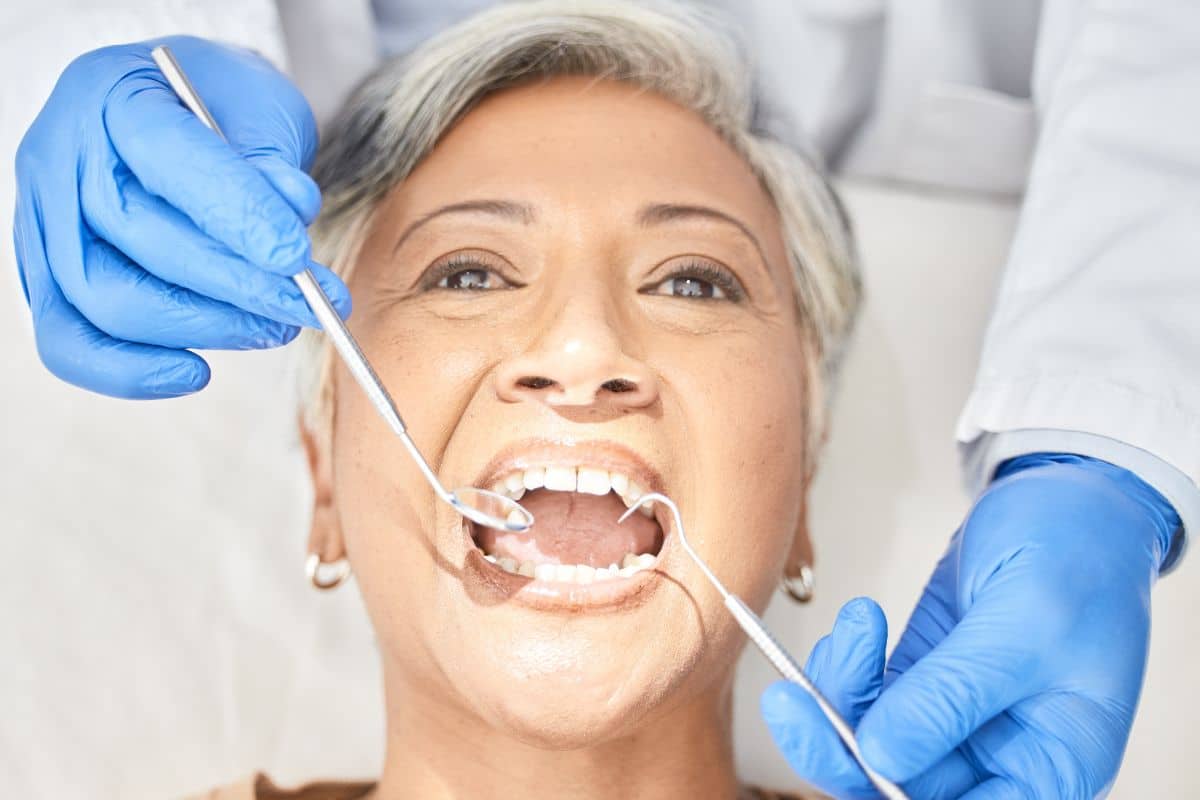
As we age, it’s easy to overlook certain dental changes or assume they’re just part of “getting older.” But some signs in your mouth may be your body’s way of telling you something more serious is going on. For seniors, keeping an eye on certain symptoms can make a big difference in staying ahead of bigger dental issues and protecting overall health in the process.
This blog outlines four common dental warning signs older adults should never ignore, what they could mean, and when it’s time to check in with your family dentist.
4 Common Dental Warning Signs for Seniors
1. Loose or Shifting Teeth
Teeth aren’t supposed to move around in childhood, and definitely not later in life. If you’ve noticed one or more teeth feeling loose, or your bite doesn’t feel quite the same when you chew, it could point to an issue below the gumline.
Possible Causes:
- Advanced gum disease (periodontitis)
- Bone loss in the jaw
- Past trauma or dental work becoming unstable
When supporting bone weakens, teeth can shift out of place or even fall out over time. This isn’t just a dental issue, untreated gum disease has been linked to heart problems, diabetes complications, and more. The earlier we catch it, the better.
2. Chronic Dry Mouth
Dry mouth might not seem like a big deal, but it plays a major role in oral health. Saliva helps clean the mouth, neutralize acids, and prevent cavities. Without it, teeth and gums are more vulnerable to decay and infection.
Common Triggers for Seniors:
- Medications (especially for blood pressure, anxiety, or allergies)
- Medical conditions like diabetes
- Dehydration or reduced saliva production with age
If your mouth often feels sticky, dry, or you’re constantly sipping water, it’s worth bringing up at your next visit. We can help find the cause and recommend options to keep your mouth comfortable and protected.
3. Sores That Don’t Heal
A small sore or irritated spot in the mouth isn’t unusual, maybe you bit your cheek or rubbed it with a denture. But if it sticks around for more than 10 days, it needs a closer look.
Why It Matters:
- Non-healing sores can be a red flag for oral cancer
- Early detection leads to better outcomes
- Seniors are at a higher risk due to age and certain lifestyle factors (like past tobacco use)
Keep an eye out for unusual lumps, red or white patches, or persistent ulcers. Even if it doesn’t hurt, it should still be examined. A simple screening during your checkup could catch something early, when it’s easiest to treat.
4. Bleeding or Receding Gums
Gums that bleed during brushing, or seem to be pulling back from the teeth, are not just “normal for your age.” These are signs of gum inflammation and it doesn’t improve without care.
Watch For:
- Gums that bleed easily when brushing or flossing
- Teeth that look longer due to gum recession
- Bad breath that doesn’t go away
These symptoms may indicate gum disease, which can progress quietly. Left untreated, it can lead to bone loss and tooth loss. Gum disease is manageable, especially when caught early.
When to Schedule a Dental Visit
Any of the signs above are worth bringing up with your dentist, especially if they’re new or getting worse. Regular checkups are essential for spotting problems early and preventing the need for more complex treatment later.
We recommend that seniors continue seeing the dentist at least twice a year, even if everything feels fine. Many dental conditions start silently and are easiest to treat in the early stages.
Senior-Focused Dental Care at All In One Dental Innovations
At All In One Dental Innovations, we understand that oral health needs change as we age. Whether you’re dealing with dry mouth, gum problems, or just want to stay ahead of potential issues, we’re here to support you with care that’s thoughtful, comfortable, and tailored to your stage of life.
If you’re in the Dublin, CA area and have noticed any of these warning signs or just want peace of mind, contact us today to schedule your visit. Let’s keep your smile strong for years to come.
Frequently Asked Questions
1. Are dental problems just a normal part of aging?
Not necessarily. While some changes in oral health are more common with age, like dry mouth or gum recession, they shouldn’t be considered “normal” or ignored. Many dental issues can be prevented or treated with the right care. Regular dental visits help catch problems early, before they become more serious.
2. How often should seniors see the dentist?
Most older adults should see a dentist every six months, but some may need more frequent visits depending on their oral and overall health. If you have certain conditions like diabetes, wear dentures, or are prone to gum disease, your dentist might suggest you come in for more frequent checkups or cleanings.
3. Is tooth loss inevitable with age?
No, tooth loss is not an inevitable part of aging. It usually results from untreated dental problems like gum disease or severe decay. With good daily hygiene, regular dental visits, and timely treatment, it’s possible to maintain natural teeth well into your senior years.
4. What should I do if I notice bleeding gums or a sore that won’t heal?
Don’t wait to see if it goes away on its own. Bleeding gums could be a sign of gum disease, while a persistent sore might need to be evaluated for oral cancer or infection. Schedule an appointment as soon as possible so we can assess the issue and recommend the right next steps.