
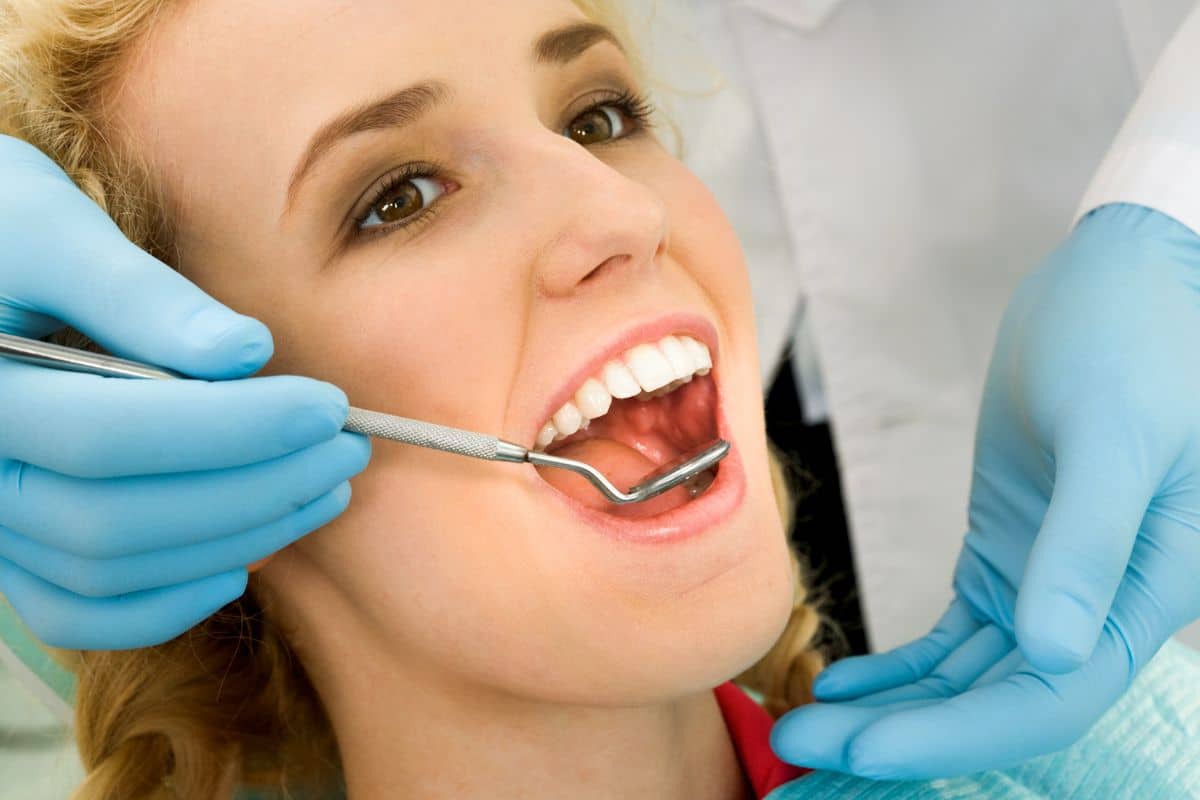
Periodontal disease, commonly known as gum disease, is a serious oral health condition that affects millions of people worldwide. It is a progressive disease that can lead to severe damage to the gums and the bone supporting the teeth if left untreated. This blog will explore the causes, symptoms, and treatments for periodontal disease to help you maintain a healthy smile.
What is Periodontal Disease?
Periodontal disease is an infection of the tissues that hold your teeth in place. It typically results from poor oral hygiene, which allows plaque—a sticky film of bacteria—to build up on the teeth and harden. As the plaque accumulates, it can cause inflammation of the gums, known as gingivitis, which is the earliest stage of periodontal disease. If gingivitis is not treated, it can progress to more severe forms of periodontal disease, leading to tooth loss and other health problems.
Causes of Periodontal Disease
The primary cause of periodontal disease is plaque buildup. However, several factors can increase the risk of developing this condition, including:
- Poor Oral Hygiene: Inadequate brushing and flossing allow plaque to form and harden on the teeth.
- Smoking: Tobacco use is a significant risk factor for periodontal disease.
- Genetics: A family history of gum disease can increase your risk.
- Diabetes: People with diabetes are more prone to infections, including gum disease.
- Hormonal Changes: Changes in hormone levels, particularly during pregnancy, menopause, or puberty, can make gums more sensitive and vulnerable to disease.
- Medications: Certain medications can reduce saliva production, which helps protect the gums.
Symptoms of Periodontal Disease
The symptoms of periodontal disease can vary depending on the stage of the condition. Common signs to watch for include:
- Red, Swollen Gums: Healthy gums should be firm and pink. Redness and swelling indicate inflammation.
- Bleeding Gums: Gums that bleed easily, especially when brushing or flossing, may be a sign of gingivitis or periodontal disease.
- Persistent Bad Breath: Chronic bad breath or a bad taste in the mouth can be a symptom of gum disease.
- Receding Gums: As the disease progresses, the gums may pull away from the teeth, making them appear longer.
- Loose Teeth: In advanced stages, the disease can destroy the bone that supports the teeth, leading to loose or shifting teeth.
Periodontal Disease Treatment Options
The treatment for periodontal disease depends on the severity of the condition. Early intervention is crucial to prevent further damage and restore gum health. Here are the common treatment options:
1. Scaling and Root Planning
Scaling and root planning is a deep cleaning procedure performed by a dentist or dental hygienist. This treatment involves removing plaque and tartar from below the gum line (scaling) and smoothing the roots of the teeth to remove bacteria (root planning). This procedure helps the gums reattach to the teeth and can prevent the progression of gum disease.
2. Medications
In some cases, your dentist may prescribe medications to help control the infection and reduce inflammation. These can include antimicrobial mouth rinses, antibiotic gels, or oral antibiotics. Medications are often used in conjunction with scaling and root planning.
3. Surgical Treatments
For more advanced cases of periodontal disease, surgical intervention may be necessary. Some common surgical treatments include:
- Flap Surgery: During flap surgery, the gums are lifted back, and tartar is removed from deep pockets. The gums are then sutured back into place to fit snugly around the teeth.
- Bone Grafts: If periodontal disease has destroyed the bone around your teeth, a bone graft may be performed to regenerate lost bone. This procedure involves using bone from your body or a synthetic material to encourage new bone growth.
- Soft Tissue Grafts: Soft tissue grafts are used to cover exposed roots or to develop gum tissue in areas where it is thin. This can help reduce gum recession and improve the appearance of the gums.
- Guided Tissue Regeneration: This procedure is used in conjunction with bone grafting to stimulate the growth of bone and gum tissue. A special membrane is placed between the bone and gum tissue, allowing the bone to regenerate without interference from the gum tissue.
4. Maintenance
After treatment, maintaining good oral hygiene is essential to prevent the recurrence of periodontal disease. This includes brushing twice daily with fluoride toothpaste, flossing daily, and visiting your dentist regularly for cleanings and check-ups. Your dentist may recommend more frequent visits for professional cleanings if you are at a higher risk of periodontal disease.
Preventing Periodontal Disease
Prevention is always better than cure. To reduce your risk of developing periodontal disease, consider the following tips:
- Practice Good Oral Hygiene: Brush your teeth at least twice a day and floss daily to remove plaque from between your teeth and along the gum line.
- Quit Smoking: If you smoke, quitting can significantly reduce your risk of periodontal disease and improve your overall health.
- Eat a Balanced Diet: A diet rich in vitamins and minerals can help keep your gums healthy.
- Visit Your Dentist Regularly: Regular dental check-ups allow your dentist to detect and treat gum disease in its early stages.
Conclusion
Periodontal disease is a serious condition that requires prompt attention and treatment. With the right care and preventive measures, you can protect your gums and maintain a healthy smile. If you are experiencing symptoms of gum disease or have concerns about your oral health, don’t hesitate to contact a dental professional.
At All In One Dental Innovations, we offer comprehensive periodontal treatments to help you achieve optimal gum health. Whether you need a deep cleaning, surgical intervention, or maintenance care, our team is here to support you every step of the way. Schedule an appointment with our dentist in Dublin today to discuss your periodontal health and explore the best treatment options for you. Your smile deserves the best care, and we are committed to providing it.
For more information or to schedule a consultation, please contact All In One Dental Innovations at (925) 828-9811. We look forward to helping you achieve a healthier, brighter smile.